
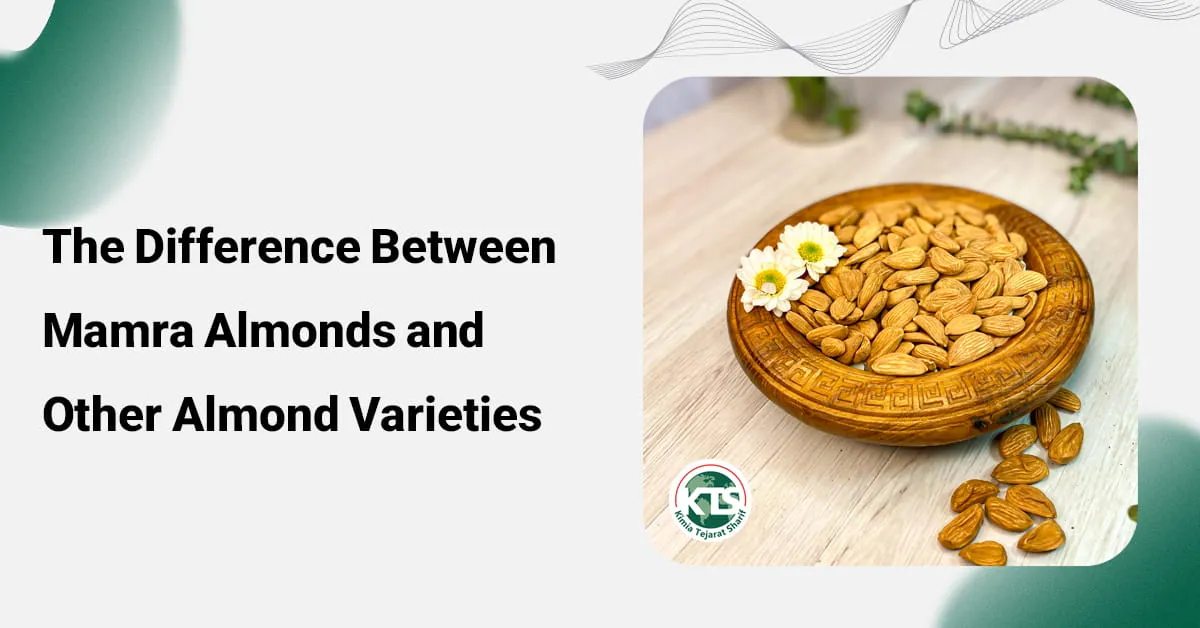
Almonds are widely consumed in India and international markets, but different varieties offer distinct characteristics in terms of appearance, flavour, texture and commercial value. Mamra almonds are particularly popular among buyers looking for a premium dry fruit experience, thanks to their characteristic shape, naturally sweet taste and satisfying crunch. Understanding these differences can help consumers, retailers, wholesalers and importers choose the right almonds for their needs.
The difference between mamra badam and normal badam is noticeable in their physical appearance and eating experience. Mamra almonds generally have a long, slender and wrinkled shape, while conventional varieties such as American almonds tend to be shorter, plumper and more uniform. Mamra almonds also often have a lighter appearance, although colour can vary between batches. These characteristics, together with their distinctive flavour, make them an appealing option for customers seeking something different from regular almonds.
For businesses sourcing almonds in India, choosing the right variety involves more than comparing appearance or price. Kernel size, available grades, product consistency and customer preferences all influence the purchasing decision. This guide explains the key differences and how KTS Trading can help buyers explore suitable Mamra almond options.
Shape and Size
One of the most noticeable characteristics of Mamra almonds is their elongated, slender and naturally wrinkled appearance. In contrast, American almonds are generally shorter, plumper and more uniform in shape. Mamra almonds also tend to appear lighter in colour than many conventional varieties, although natural variation can occur depending on the product and processing conditions.
When comparing small almonds vs big almonds, size should be considered alongside the almond variety and its intended application. Smaller kernels may be suitable for businesses seeking a more economical grade, while larger kernels can be attractive for premium retail packaging and customers who prefer a more substantial appearance. However, size alone does not determine freshness, taste or overall quality.
The Mamra almond vs other almonds comparison also highlights the importance of grading. Mamra almonds are available in several commercial grades, ranging from the smaller Mini grade to the larger 5A grade. These options allow buyers to select products according to their preferred kernel size, presentation and budget.
At KTS Trading, we offer different Mamra almond grades, including Mini, ESB, ES, A, 2A, 3A, 4A and 5A. Each grade provides an option for different purchasing requirements, from more economical selections to larger kernels suited to premium presentation.
For businesses comparing small almonds vs big almonds, the most appropriate choice depends on the expectations of their customers and the intended selling price. A retailer targeting premium dry fruit buyers may prefer larger grades, whereas a distributor focused on price sensitive customers may consider smaller options.
Taste and Nutritional Value
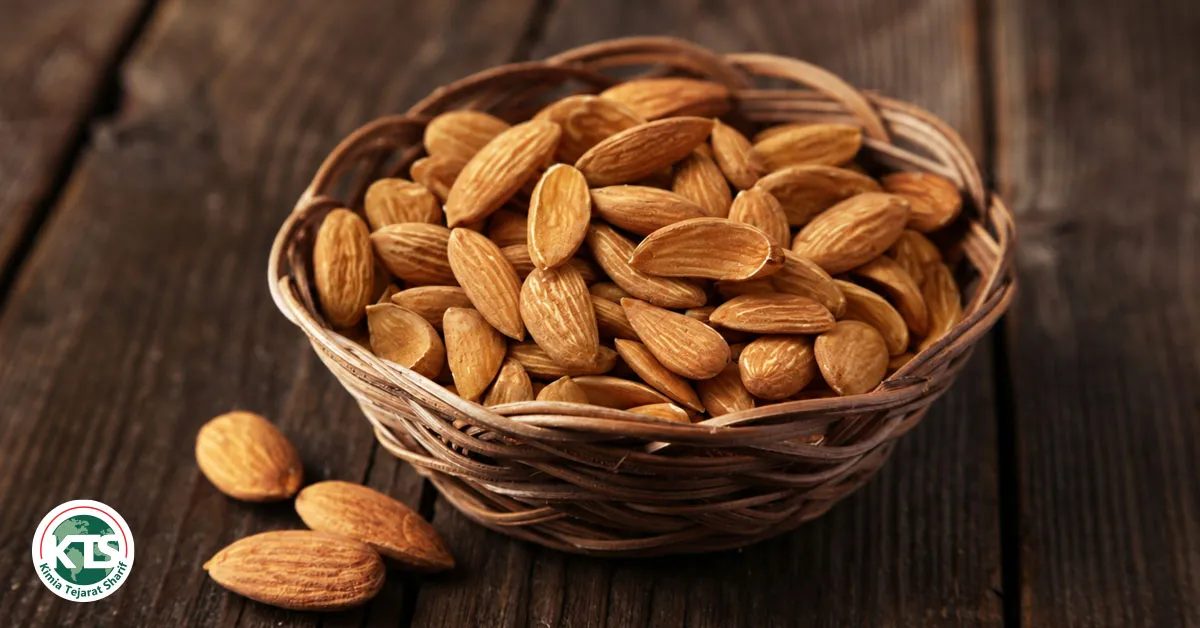
Taste and texture are important considerations when choosing almonds for everyday snacking or premium dry fruit products. Mamra almonds are often appreciated for their naturally sweet flavour, rich taste and crisp texture. Many customers enjoy them on their own, while conventional almond varieties are also widely used in cooking, baking and food manufacturing.
The mamra badam vs normal badam comparison is particularly relevant for customers who value flavour as much as appearance. Mamra almonds are often chosen for their distinctive taste and satisfying crunch, whereas other varieties may offer a milder flavour. The actual experience can vary according to freshness, growing conditions, storage and individual preferences.
Nutritionally, almonds provide unsaturated fats, plant based protein, dietary fibre, vitamin E and minerals such as magnesium. These nutrients make almonds a useful component of a balanced diet. However, the nutritional composition of individual varieties can vary, and claims of nutritional superiority should be supported by reliable comparative data.
When assessing the difference between mamra badam and normal badam, buyers should therefore consider the complete product experience rather than relying on promotional claims alone. Flavour, texture, freshness and product specifications all contribute to the value of an almond variety.
For customers who want to enjoy a sweeter and crunchier almond, our recommendation is to try Mamra almonds from KTS Trading. Their distinctive taste and texture make them an appealing choice for premium dry fruit selections, personal consumption and retail offerings.
The Mamra almond vs other almonds comparison ultimately comes down to what matters most to the buyer. Those who value the characteristic flavour and texture of Mamra almonds may find them particularly appealing, while other varieties can suit customers with different preferences or budget requirements.
Find out more about: types of almonds in india
Production and Harvesting
Growing conditions, harvesting practices and post harvest handling can influence the quality of almonds before they reach the market. Mamra almonds are associated with traditional growing regions, including parts of Iran and Afghanistan, while other commercial varieties are cultivated in major almond producing regions such as California. Buyers should confirm the origin of a specific batch with their supplier rather than relying on appearance alone.
Harvesting and processing practices vary between producers. Some operations use more manual handling, while others rely on mechanised harvesting, sorting and grading. Neither approach automatically guarantees superior quality; appropriate drying, cleaning, handling and storage are essential for maintaining the product’s condition.
For buyers evaluating Mamra almond grades, understanding the supplier’s grading criteria is important. Grade names may reflect kernel size and appearance, but the exact specifications can differ between suppliers. Requesting clear product information helps buyers compare offers accurately and understand what they can expect from an order.
Proper storage also plays a significant role in preserving almond quality. Almonds should be protected from excessive heat, moisture, direct sunlight and strong odours. Suitable packaging and storage conditions help maintain freshness and reduce the risk of deterioration during transportation.
For international shipments, these practices become especially important because almonds may travel long distances before reaching the buyer. Clear product specifications, packaging requirements and agreed quality parameters can help ensure that the shipment meets the buyer’s expectations.
Market and Uses
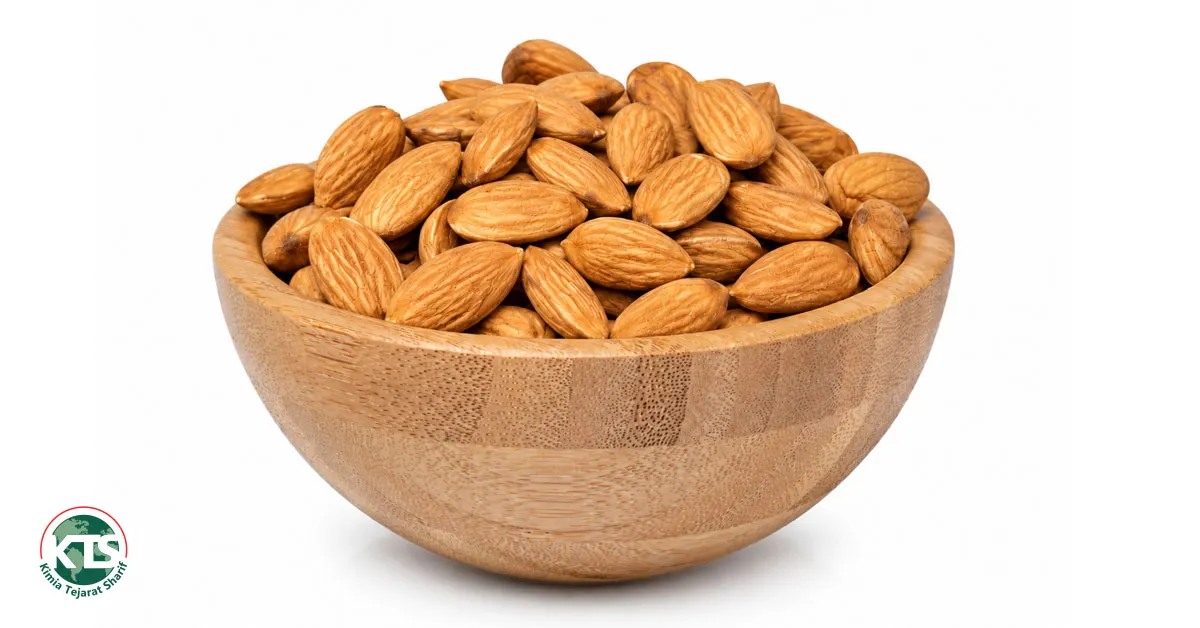
Mamra almonds occupy a premium position in many dry fruit markets because of their distinctive appearance, flavour and texture. In India, they may appeal to specialty dry fruit retailers, premium grocery stores, gifting businesses and customers who prefer almonds with a characteristic taste. Other almond varieties are also widely used for everyday snacking, baking, confectionery and large scale food production.
Understanding the Mamra almond vs other almonds comparison can help businesses choose products that match their target customers. Retailers catering to premium buyers may focus on flavour and presentation, while food manufacturers may prioritise consistent specifications, availability and suitability for their production processes.
Price is another important consideration. The cost of Mamra almonds can vary according to grade, size, origin, availability and market conditions. Buyers should compare products with similar specifications rather than assuming that a higher price always indicates better quality.
When selecting Mamra almond grades, businesses should consider the relationship between kernel size, appearance, customer expectations and budget. Larger grades may be appropriate for premium presentation, while smaller grades can offer an alternative for buyers with different pricing requirements.
If you are searching for a Mamra almonds bulk supplier, look for a company that can explain its available grades, discuss your order requirements and provide clear information about pricing and delivery. For repeat purchases, confirming the specifications and availability before placing each order can make sourcing more predictable.
KTS Trading offers Mamra almonds in different grades to accommodate a range of purchasing requirements. Our selection includes options from Mini to 5A, allowing businesses to explore different kernel sizes and presentations according to their needs.
As a Mamra almonds bulk supplier, KTS Trading welcomes enquiries from wholesalers, retailers, distributors and international buyers interested in sourcing Mamra almonds. You can review our Mamra Almond collection to explore the available grades.
If you are comparing suppliers or need guidance on selecting the right product, message us through WhatsApp using the contact options on our website. Our team can discuss available grades, current prices, order quantities and shipping arrangements for your destination.
Find out more about: Best Almonds in India
Conclusion
The difference between mamra badam and normal badam involves several factors, including shape, colour, flavour, texture and commercial availability. Mamra almonds are typically longer, slimmer and more wrinkled than many conventional varieties, and they are appreciated for their naturally sweet taste and satisfying crunch.
When considering small almonds vs big almonds, remember that kernel size should be evaluated according to the intended use and customer preferences. KTS Trading offers a range of Mamra almond grades, from Mini to 5A, so buyers can explore options that match their product requirements and budget.
Whether you are a retailer, wholesaler, distributor or importer, choosing the right grade can help you offer products that meet your customers’ expectations. Explore the Mamra Almond collection at KTS Trading and contact us through WhatsApp for enquiries about prices, availability, grade selection and shipping. Our team will be happy to discuss your requirements and help you explore suitable options for your business.
FAQs
1. Which badam is best to eat?
Mamra almonds are a popular choice for their naturally sweet flavour and crunchy texture. The best option depends on your taste and nutritional needs.
2. How much does 1 kg of Mamra badam cost?
The price varies according to origin, grade, size and quality. Contact KTS Trading on WhatsApp for current prices and availability.
3. Why is Mamra badam costly?
Mamra almonds can be more expensive because of limited supply, sourcing conditions, distinctive flavour and premium market demand.
4. How to identify original Mamra badam?
Look for the characteristic elongated, slender and wrinkled shape. However, appearance alone cannot confirm authenticity; verify the origin and supplier’s documentation.
5. Is Mamra Badam better than normal Badam?
Mamra almonds are valued for their distinctive taste and texture, while regular almonds may offer better affordability and uniformity. The choice depends on your preferences.
6. Which brand Mamra almond is best?
Choose a supplier that provides transparent product information, consistent quality, clear grading and reliable customer support.
7. How many Mamra almonds to eat per day?
Around 20–23 almonds is a common serving for adults, but the appropriate amount depends on their size, calorie needs and overall diet.
8. Which country is Mamra badam best in?
Iran and Afghanistan are traditionally associated with Mamra almond production. Quality varies by origin, grade and handling.
9. Which is the most expensive almond?
Mamra almonds are often among the more expensive almond varieties, although prices vary by grade, origin, availability and market conditions.
10. Which is better, Mamra or Gurbandi?
Mamra almonds are often preferred for their distinctive flavour and premium positioning, while Gurbandi almonds are valued for their own flavour and nutritional profile. The better choice depends on your preferences and budget.