
Showing the single result
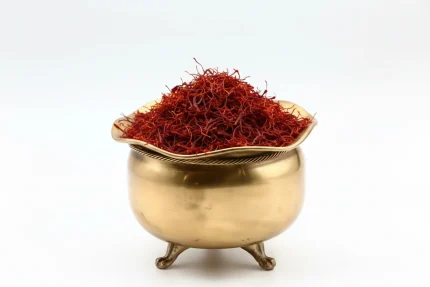
Saffron is a premium spice valued for its distinctive aroma, intense colour and ability to elevate both traditional and contemporary cuisine. Across India, it plays an important role in biryani, sweets, desserts, beverages and premium food products. For importers, distributors, retailers and food manufacturers, sourcing saffron in india is not simply about finding an attractive price; it requires confidence in product authenticity, consistent quality, reliable documentation and suitable commercial terms.
Finding the best saffron in india for wholesale or business use starts with understanding what determines quality and value. Factors such as aroma, colouring strength, purity, moisture content, traceability and packaging can significantly influence a purchasing decision. Whether you are evaluating suppliers for the first time or seeking a dependable source for repeat orders, KTS Trading welcomes enquiries from businesses looking to explore saffron sourcing opportunities. Contact our team to discuss your requirements, request product information and learn more about available purchasing and shipping options.
Understanding Saffron Quality and Authenticity
The quality of saffron directly influences its aroma, colouring performance, flavour and commercial value. Genuine saffron consists of the dried stigmas of the Crocus sativus flower, and its characteristics can vary depending on growing conditions, harvesting, processing and storage.
When evaluating the best saffron in india, buyers should look beyond visual appearance and consider the following quality indicators:
- Authenticity: Verify that the product is genuine saffron and request supporting documentation where available.
- Aroma: Look for a characteristic fragrance without unusual or unpleasant odours.
- Colour strength: Request relevant laboratory results when colouring performance is important to your application.
- Purity: Check for foreign matter, contamination, mould or other visible defects.
- Moisture and storage: Confirm appropriate drying, protective packaging and suitable storage conditions.
- Traceability: Ask for available information about the product's origin, batch and supply chain.
India's saffron grading and marking regulations establish quality requirements relating to characteristics such as aroma and the absence of added colouring matter. Buyers should refer to applicable standards and verifiable documentation rather than relying exclusively on promotional descriptions.
These checks are particularly important for businesses purchasing saffron in india for resale, food manufacturing or other commercial applications, where product consistency and customer confidence are essential.
Wholesale Saffron in India for Commercial Businesses
Wholesale purchasing requires a different approach from buying saffron for personal use. Retailers may prioritise attractive consumer packaging, while spice distributors, food manufacturers and hospitality businesses may require specific quantities, consistent product characteristics and packaging suitable for storage and further distribution.
When considering Wholesale saffron in india, begin by identifying your intended application, estimated order volume and required quality specifications. Request a quotation that clearly describes the product, packaging, available documentation and commercial terms.
Comparing suppliers on a like for like basis helps businesses understand the relationship between price and product value. The lowest quotation may not represent the best commercial option if quality specifications, packaging or delivery conditions differ.
For recurring orders, Wholesale saffron in india should also involve clear communication about product availability, quotation validity, lead times and the process for confirming the specifications of each shipment.
How to Choose Reliable Saffron Suppliers
Selecting the right supplier is a critical step in establishing a dependable sourcing relationship. Experienced Saffron Suppliers in India should be able to explain their product specifications, clarify the documentation they can provide and communicate the commercial conditions before an order is confirmed.
When comparing Saffron Suppliers in India, consider requesting a sample or representative batch information, where available, before committing to a substantial order. Confirming the specifications in writing can also help reduce misunderstandings during fulfilment.
Saffron in Bulk in India
Buying saffron in bulk can help wholesalers, distributors and food manufacturers manage their sourcing needs more efficiently. However, the right order quantity depends on your expected sales, storage capacity and how quickly the product will be used or resold. Before purchasing, define your quality requirements, request product specifications and confirm the available packaging options.
If you are sourcing Saffron in bulk in india, compare suppliers based on product quality, authenticity documentation, pricing and delivery terms rather than price alone. Ask for a detailed quotation that includes the order quantity, packaging costs, shipping charges and any applicable duties or handling fees. This will help you calculate the total landed cost and compare offers more accurately.
For businesses planning repeat purchases, agree on clear product specifications, quality expectations and delivery arrangements before confirming the order. These steps can help reduce misunderstandings and make future orders easier to manage. Contact KTS Trading through WhatsApp to enquire about pricing, product information and shipping options for your destination.
Wholesale Saffron Buyers in India
India's saffron market serves a wide range of businesses, including spice distributors, premium grocery retailers, restaurants, confectionery manufacturers and packaged food producers. Each segment may have different requirements for aroma, colour performance, packaging size, documentation and purchasing volume.
For Wholesale Saffron buyers in India, selecting a supplier involves evaluating whether the product meets the needs of the intended market. Clear product specifications, transparent quotations and suitable packaging can help buyers assess commercial suitability before placing an order.
Businesses operating as Wholesale Saffron buyers in India should also establish whether the supplier can accommodate the required quantity and provide the documentation relevant to the transaction. Domestic purchases and international shipments may involve different regulatory, customs and food safety requirements.
If you are among the Wholesale Saffron buyers in India evaluating new sourcing opportunities, compare offers using consistent specifications and delivery terms. This makes it easier to assess quality, overall cost and the potential for a long term business relationship.
Understanding the Needs of Saffron Wholesale Buyers
For saffron wholesale buyers, understanding customer demand is essential to identifying the right business opportunities. Saffron serves several market segments, including spice retailers, premium grocery stores, restaurants, confectionery businesses and manufacturers of packaged foods. Each segment has different purchasing patterns, preferred pack sizes and price expectations, which can influence how a product is positioned in the market.
Businesses can start by identifying which customer groups they intend to serve and estimating their potential demand. Retail oriented businesses may explore smaller consumer packs, while distributors and food manufacturers may require larger quantities suited to resale or production. Understanding these differences can help buyers plan inventory, manage working capital and avoid purchasing more stock than their market can absorb.
For companies working with saffron wholesale buyers, recognising these market opportunities can support more focused product planning and commercial negotiations. KTS Trading welcomes business enquiries from companies exploring saffron trading opportunities. Contact our team through WhatsApp to discuss your intended market, purchasing requirements and potential supply arrangements for your business..
Why Consider KTS Trading for Your Saffron Enquiry?
KTS Trading works with commercial buyers interested in agricultural products and international trade. For businesses exploring saffron sourcing, our team welcomes enquiries about purchasing requirements, product information and the next steps involved in requesting a quotation.
Whether you are comparing the best saffron in india, researching potential suppliers or evaluating wholesale purchasing options, we encourage you to establish your quality requirements and confirm the available product information before making a decision.
Businesses looking for saffron in india can contact KTS Trading to discuss their intended application, estimated quantity and destination market. Providing these details helps make the initial conversation more focused on your commercial needs.
If you are planning Wholesale saffron in india or considering a larger order, contact our team to discuss your requirements. Product availability, origin, grades, certifications and shipping arrangements should be confirmed directly before an order is placed.
Request Saffron Pricing and Purchasing Information
Looking to explore a potential wholesale purchase? Contact KTS Trading through WhatsApp using the contact options on our website.
To help us understand your enquiry, include your required quantity, destination country, preferred packaging and any specific quality requirements. Our team can discuss your request and provide guidance on the next steps, subject to product availability and the applicable commercial terms.
Frequently Asked Questions
1. Where can I source saffron wholesale in India?
Compare suppliers based on product authenticity, available quality documentation, packaging and commercial terms. Contact KTS Trading to discuss your sourcing requirements and enquire about available options.
2. How can I identify the best saffron in India?
Look for genuine saffron with a characteristic aroma, clear product specifications and suitable supporting documentation. Laboratory testing can help verify relevant quality characteristics.
3. Is purchasing Saffron in bulk in India suitable for my business?
Bulk purchasing may suit wholesalers, distributors and food manufacturers with predictable demand. Consider order volume, storage capacity, shelf life, packaging and total landed cost before committing.
4. How much is 1 kg of saffron in India?
The price depends on saffron quality, origin, grade and supplier. Contact KTS Trading for current pricing and bulk order enquiries.
5. Where can I buy wholesale saffron?
You can contact spice suppliers and exporters directly. Message KTS Trading through WhatsApp to enquire about availability and wholesale pricing.
6. What is the wholesale price of saffron in India?
Wholesale prices vary according to quality, quantity, origin and packaging. Request a quotation based on your specific requirements.
7. Where can I buy saffron in bulk?
Contact a supplier that can provide clear product specifications and suitable commercial terms. KTS Trading welcomes bulk purchasing enquiries.
8. Can I use 20 year old saffron?
It is generally not advisable unless its storage history and quality can be reliably verified. Discard saffron showing mould, unusual odours or signs of contamination.
9. How to check if saffron is real?
Look for characteristic threads and aroma, but remember that visual checks alone cannot confirm authenticity. Reliable laboratory testing provides stronger evidence.
10. What are the disadvantages of saffron?
Excessive consumption may cause adverse effects, and saffron can trigger allergic reactions in some people. Culinary quantities are generally used in moderation.
11. What should not be mixed with saffron?
There is no universal food combination that must be avoided. However, saffron may be unsuitable for some people because of allergies, medications or individual health conditions.
12. What organs is saffron good for?
Saffron contains compounds studied for potential health effects, but evidence is not sufficient to claim that it specifically benefits or treats diseases of particular organs. It should not replace medical treatment.