
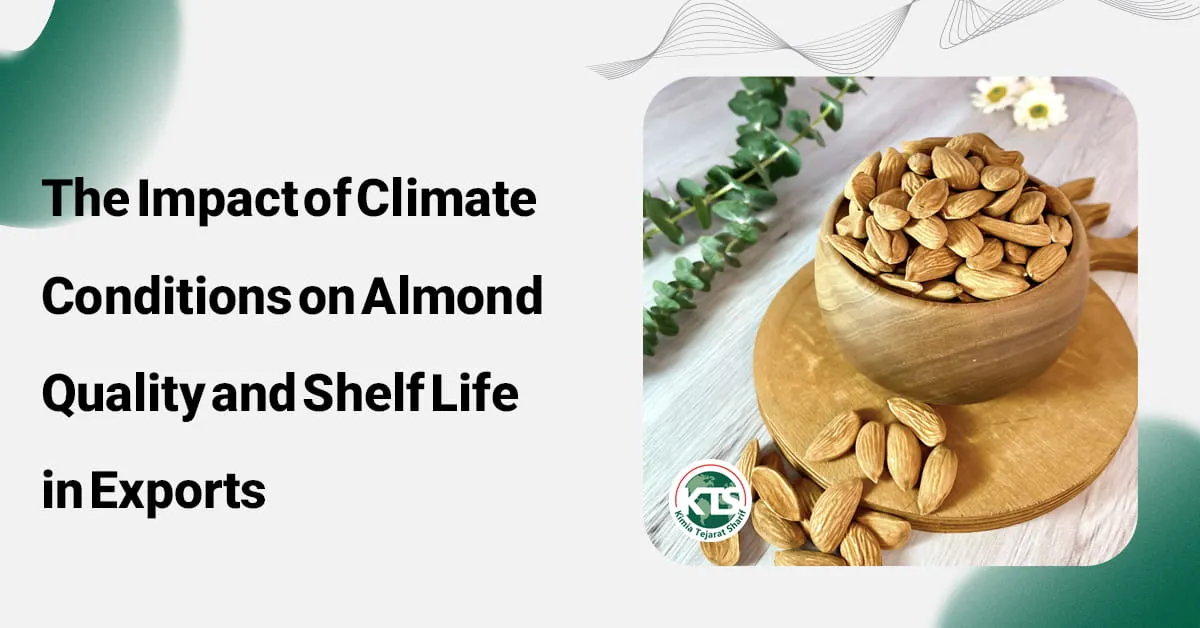
Climate conditions play a significant role in almond production, product quality and international trade. Temperature fluctuations, humidity, water availability and unexpected weather events can influence almond size, kernel development, harvesting schedules and storage stability. For businesses involved in almond export, understanding these factors is essential for maintaining consistent quality, meeting buyer expectations and reducing the risk of losses during transportation.
For almond importers in India, the effects of climate extend beyond the growing season. The condition of almonds at harvest, their moisture levels, packaging and exposure to heat during transportation can all influence the quality of the final shipment. Whether you are sourcing almonds for retail distribution, food manufacturing or wholesale trading, understanding the relationship between climate and product quality helps you make more informed purchasing decisions.
This guide explains how climate affects almond production, how exporters can protect quality throughout the supply chain, and what businesses should consider when evaluating suppliers for the Indian market.
1. How Temperature Affects Almond Production and Quality
Temperature influences several stages of almond development, from flowering and pollination to kernel maturation and harvesting. Almond trees generally perform well under suitable growing conditions, but excessive heat, unexpected frost and irregular seasonal temperatures can affect crop development.
During flowering, unsuitable temperatures may interfere with pollination and reduce crop yields. Later in the growing season, prolonged heat can increase water demand and place additional stress on trees. These conditions may affect kernel development, size and consistency, depending on the severity and timing of the exposure.
For the almond export industry, weather related variations can influence the availability of particular grades and kernel sizes. Exporters therefore need to evaluate each crop carefully rather than assuming that every harvest will deliver identical specifications.
Temperature also matters after harvesting. Prolonged exposure to high temperatures can accelerate the oxidation of almond oils, potentially affecting flavour and shortening shelf life. Appropriate handling, storage and transportation practices help preserve quality before the product reaches its destination.
2. The Effect of Humidity on Almond Storage Conditions
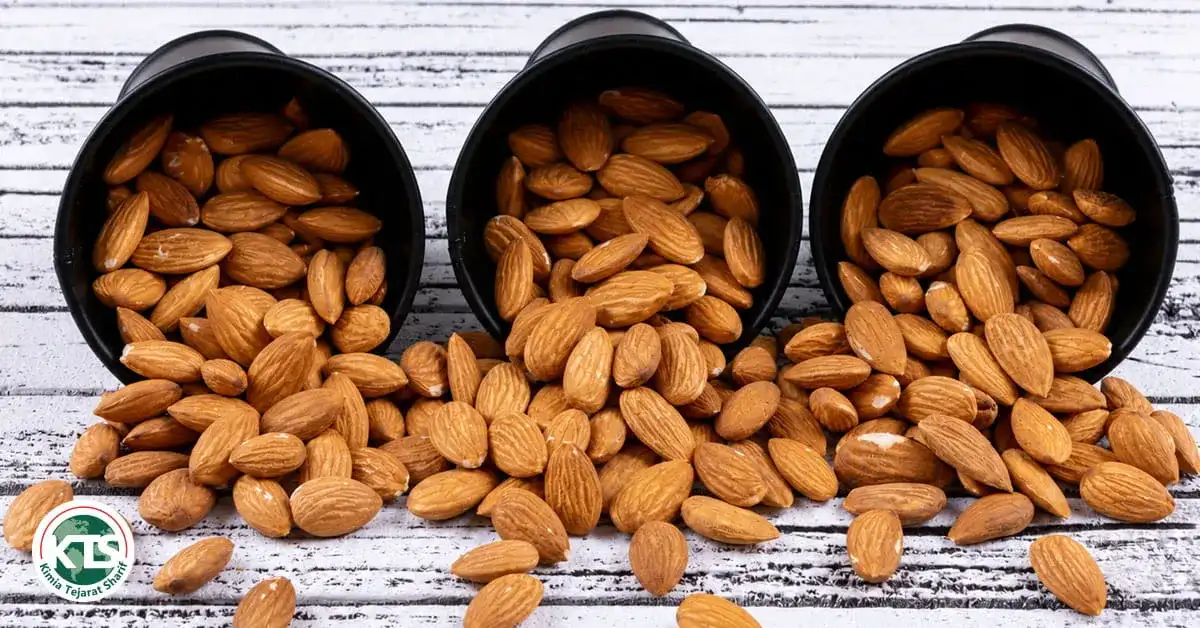
Humidity plays an important role in preserving almond freshness, texture and overall quality. Because almonds contain natural oils, protecting them from excessive moisture, heat and unsuitable storage environments is essential for maintaining their characteristic flavour and crispness throughout storage and transportation.
Poor almond storage conditions can cause kernels to absorb moisture, potentially reducing their crunchiness and increasing the risk of mould. These issues can become particularly important during long distance transportation and international shipments, where changing environmental conditions may affect product quality.
To maintain suitable almond storage conditions, businesses should store almonds in clean, dry environments, use appropriate protective packaging, avoid direct sunlight and excessive heat, and regularly inspect storage areas for moisture, pests and packaging damage.
At KTS Trading, we understand the importance of proper storage in maintaining almond quality. We take care to maintain suitable storage conditions for our almond products and arrange shipments designed to help preserve their freshness, flavour and texture during transportation. Our Mamra almonds are supplied to customers across international markets, including India, with attention to appropriate handling and packaging throughout the supply process.
For businesses involved in almond export, maintaining suitable storage conditions is essential for protecting almond export quality and helping products reach their destination in accordance with agreed specifications. At KTS Trading, we aim to provide buyers with quality focused sourcing options and reliable communication about product availability, packaging and shipping arrangements.
3. Water Availability and Its Impact on Almond Production
Almond trees depend on a consistent and appropriate water supply throughout their growing cycle. Insufficient irrigation can limit tree development, reduce crop yields and affect kernel size, while excessive watering and poor drainage may create additional challenges for growers.
Drought, rising temperatures and increasingly unpredictable weather patterns can place further pressure on almond producing regions. To manage these challenges, growers may need to optimise irrigation practices, improve water use efficiency and adapt cultivation methods to local climate conditions.
These environmental factors can have a direct impact on the almond export supply chain by influencing harvest volumes, product availability and the consistency of almond grades. Changes in production conditions may also affect sourcing schedules and the ability of suppliers to meet specific buyer requirements.
For businesses involved in almond export, understanding seasonal variations is essential for effective purchasing and supply planning. Buyers should confirm product specifications, expected quantities and availability with their suppliers before finalising orders, helping them manage potential fluctuations in supply and maintain consistent product quality.
Find out more about: Different Types of Almonds
4. Climate Change and Its Long Term Effects on Almond Exports
Climate change is creating additional challenges for agricultural producers through shifting seasonal patterns, prolonged heat, drought and more frequent extreme weather events in some regions. Almond production can be affected when these changes disrupt flowering, increase irrigation requirements or complicate harvesting.
For the international almond export market, these developments may influence crop volumes, availability, quality consistency and the timing of shipments. The extent of the impact varies by growing region, farming practices and the conditions experienced during a particular season.
Exporters and buyers can reduce some of these risks by monitoring crop updates, maintaining clear quality specifications and working with supply partners who communicate changes in availability promptly.
Climate related risks also reinforce the importance of traceability and quality control. Businesses should assess the actual condition of each shipment rather than relying exclusively on the reputation of its producing region.
5. Maintaining Almond Export Quality After Harvest
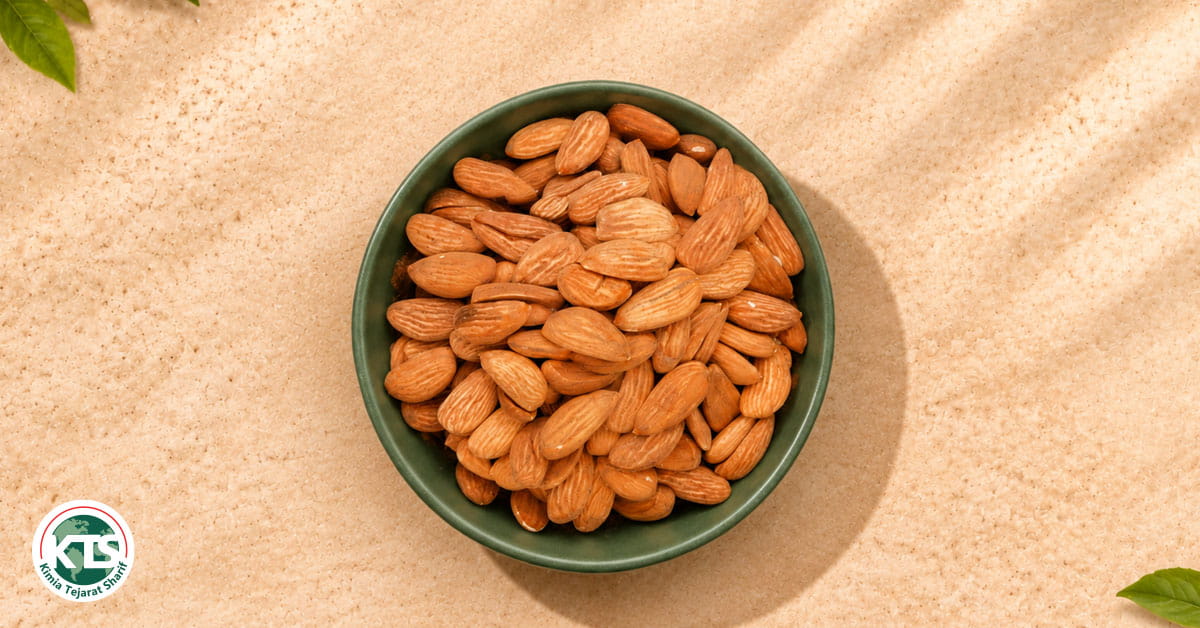
Climate is only one part of the quality equation. Harvesting, drying, sorting, processing, packaging and storage also determine how well almonds retain their characteristics before reaching the buyer.
Strong almond export quality management begins with appropriate post harvest handling. Almonds should be dried and processed according to suitable procedures, then assessed for cleanliness, defects, kernel size and other agreed specifications. Before shipment, exporters and buyers should confirm:
- Kernel size, grade and acceptable defect levels.
- Moisture specifications and appropriate quality checks.
- Cleanliness and the absence of visible contamination.
- Packaging suitability for the intended transportation method.
- Batch identification and relevant product documentation.
- Compliance with the food safety and import requirements of the destination market.
These checks help establish a clear basis for assessing almond export quality and reduce the likelihood of disagreements between buyers and suppliers.
For longer international journeys, packaging should protect the product from moisture migration, oxygen exposure and physical damage. The appropriate solution depends on whether the shipment contains in shell almonds, natural kernels, blanched almonds or other processed forms.
At KTS Trading, we understand that consistent quality is essential in international almond trade. We pay attention to product handling, storage, packaging and quality checks to help maintain the condition of our almonds throughout the supply process. Our Mamra almonds are available in different grades and sizes to accommodate varying customer preferences and commercial requirements.
Whether you are purchasing almonds for retail distribution, wholesale trading or food manufacturing, our team can help you explore the available options based on your requirements. For information about grades, product specifications, current prices and availability, or guidance on shipping arrangements, contact KTS Trading through WhatsApp. We welcome your questions and are happy to discuss your purchasing needs.
6. Packaging and Transportation for International Almond Trade
Packaging and logistics play an important role in preserving almonds after they leave the processing facility. Even a well produced batch can deteriorate if it is exposed to unsuitable storage conditions during warehousing or transit.
Exporters should select packaging according to the product form, shipment duration and expected environmental conditions. Moisture barriers, appropriate liners and protective outer packaging can help maintain product quality when selected for the intended application.
Transportation planning should also account for seasonal temperature variations, transit times, container conditions and the possibility of delays. Businesses should agree on packaging specifications, delivery terms and inspection procedures before confirming a shipment.
For almond exports to India, it is particularly important to coordinate shipping arrangements with the importer and verify the applicable documentation and regulatory requirements before dispatch. Product specifications and packaging should be agreed in advance to reduce avoidable delays or quality disputes.
Find out more about: Best Almonds in India
7. What Almond Importers in India Should Check Before Purchasing
The Indian almond market serves a diverse range of customers, from premium dry-fruit retailers to confectionery manufacturers and businesses supplying hotels and restaurants. Understanding the preferences of your target customers can help you choose the right almond variety and position your products more effectively. For example, some buyers prioritise affordability and everyday consumption, while premium retailers may focus on distinctive appearance, flavour and texture.
For almond importers in India, selecting the right product also involves understanding how it will be presented and sold in the local market. Retailers may prefer almonds with a consistent appearance for branded packaging, while food manufacturers may place greater emphasis on suitability for recipes, processing requirements and dependable availability throughout the year.
Another important consideration is seasonal demand. Purchasing patterns can change during festivals, wedding seasons and periods when demand for dry fruits increases. Planning orders around these fluctuations can help businesses manage inventory and reduce the risk of holding excess stock or running short during busy periods.
For businesses looking for premium almonds that deliver both a naturally sweet flavour and a satisfying crunch, we recommend Mamra almonds from KTS Trading. Their distinctive elongated shape, characteristic sweetness and crisp texture make them an appealing choice for businesses aiming to offer customers an enjoyable eating experience and encourage repeat purchases. KTS Trading offers different grades of Mamra almonds to suit various business requirements. Message us on WhatsApp to enquire about current prices, product availability, shipping arrangements and any questions you may have. Our team will be happy to assist you with your requirements.
8. Almond Exports to India
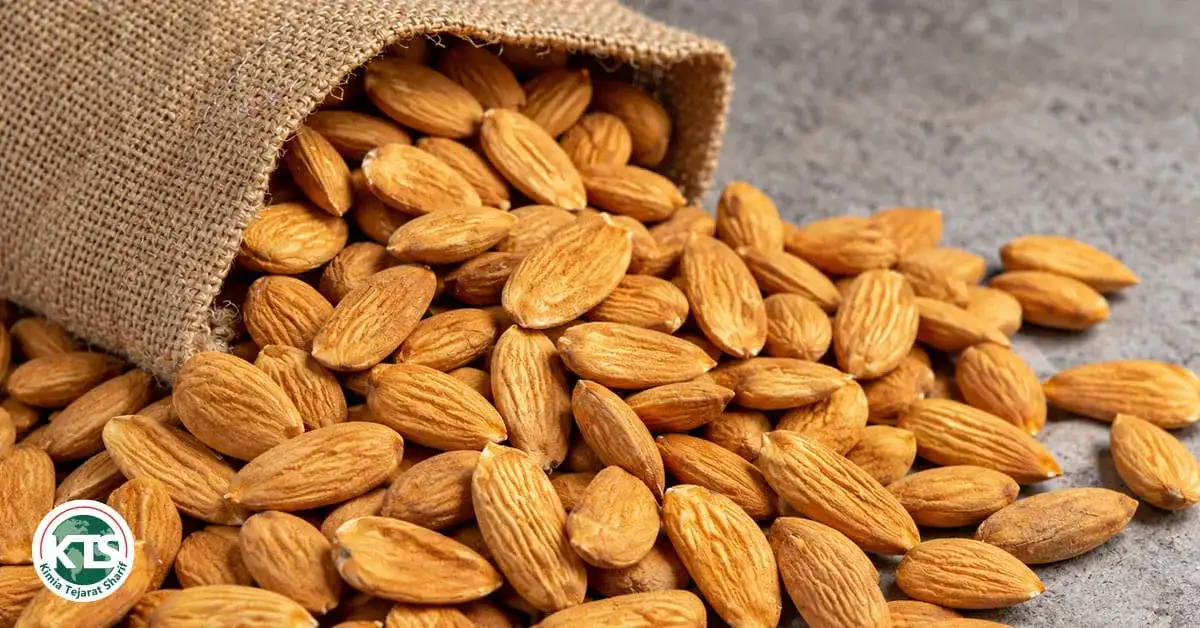
The requirements for almond exports to India depend on the product form, origin, applicable regulations and the importer’s intended use. Buyers should not assume that the same documentation or inspection procedure applies to every almond shipment.
Before arranging almond exports to India, exporters and importers should confirm the applicable customs procedures, food safety requirements, plant health documentation and any other conditions relevant to the consignment. These requirements may change, so current guidance from the relevant authorities and qualified customs professionals should be consulted.
Commercial buyers should also agree on the product specifications before shipment. Clear descriptions of the grade, size, packaging, quantity and quality parameters make it easier to evaluate whether the delivered product meets the purchase agreement.
For businesses planning future almond exports to India, early communication between the supplier, importer and logistics provider can help coordinate documentation, shipment timing and quality checks.
9. How to Match Almond Varieties to Your Customers’ Preferences
Choosing the right almond variety can help businesses differentiate their product range and appeal to customers with different tastes and budgets. Some customers prefer almonds with a mild flavour for everyday snacking, while others look for a distinctive taste, an attractive appearance and a crisp texture that makes the eating experience more enjoyable.
For retailers and premium dry-fruit businesses, offering a product that customers genuinely enjoy can help encourage repeat purchases and build customer loyalty. Mamra almonds are worth considering for this purpose because of their characteristic elongated shape, naturally sweet flavour and satisfying crunch. They can be an appealing choice for businesses seeking to offer something distinctive rather than competing on price alone.
KTS Trading offers different grades of Mamra almonds to accommodate varying product preferences and business requirements. If you are looking to expand your almond selection, message us on WhatsApp to ask about available grades, current prices, product availability and shipping arrangements. Our team will be happy to answer your questions and help you explore suitable options for your business.
FAQs
1. How does climate affect almond export quality?
Temperature extremes, drought and excessive humidity can influence almond production, moisture levels, texture and storage stability. Appropriate post harvest handling and packaging help protect quality during international transportation.
2. What are the ideal almond storage conditions?
Almonds generally benefit from cool, dry storage away from direct sunlight, moisture and strong odours. The appropriate temperature, humidity and packaging depend on the product form and intended storage period.
3. What affects almond exports to India?
Product availability, market demand, commercial terms, shipping conditions and applicable import requirements can all affect a transaction. Requirements should be verified for each shipment before dispatch.
4. How can I find reliable almond suppliers in India?
Compare suppliers based on verifiable product information, clear quotations, available quality documentation, packaging options and their ability to meet agreed specifications.
5. Who is the biggest exporter of almonds?
The United States, particularly California, is the world’s leading almond exporter..
6. Which country is the biggest producer of almonds?
The United States is the largest almond-producing country, with California accounting for most of its production.
7. Which country’s almonds are best?
It depends on your preferences. California almonds are widely available, while Mamra almonds are valued for their distinctive shape and characteristic flavour.
8. Which city is famous for almonds?
Kashmir, particularly Srinagar and surrounding areas, is well known for almonds in India.
9. Who is the biggest supplier of almonds?
The United States is the leading global supplier of almonds, with California serving as its main production and export hub.
10. Which state is famous for almonds in India?
Jammu and Kashmir is India’s leading almond-producing region, particularly the Kashmir Valley.
11 Which country is famous for badam?
The United States, Afghanistan, Iran and India (particularly Kashmir) are known for almond production or distinctive almond varieties.
12. Why is Mamra badam so costly?
Mamra almonds often command higher prices because of limited supply, growing and sourcing conditions, and their distinctive characteristics. Prices vary by origin, grade and quality.