
Choosing the right almonds for almond export is essential for meeting buyer expectations, maintaining consistent quality and building long term international business relationships. Whether you are an importer, wholesaler, distributor or food manufacturer in India, the right choice depends on almond variety, kernel size, grade, freshness, packaging and the requirements of your target market. Working with a reliable bulk almond supplier can also help you source products that match your commercial specifications and purchasing needs.
If you are researching how to choose almonds for export, start by identifying your target customers and the intended use of the almonds. Premium retail brands may prioritise appearance, uniformity and taste, while food manufacturers may focus on processing suitability and cost efficiency. For buyers seeking a distinctive premium variety, Mamra almonds are worth considering because of their characteristic elongated shape, rich flavour and range of commercial grades. This guide explains the main almond varieties, export quality checks, packaging considerations and how to select a suitable supplier for international trade.
1. Key Factors to Consider Before Almond Export
Selecting the right product for almond export requires a clear understanding of your target market, customer expectations and purchasing requirements. Before placing an order, importers and distributors should evaluate the product’s quality, size consistency, grade, freshness, packaging and overall suitability for their intended application.
When deciding how to choose almonds for export, consider the following factors:
- Target market: Understand the preferences of your customers and the quality specifications required in your destination country.
- Kernel size and appearance: Choose a size and visual presentation that match your retail, wholesale or food processing requirements.
- Quality consistency: Ensure that the supplied goods meet the agreed specifications and are consistent across the shipment.
- Freshness and storage: Check the aroma, texture, packaging condition and storage practices to help maintain product quality.
- Budget and market positioning: Balance purchase costs with the quality level and selling price expected in your target market.
- Supplier reliability: Work with an experienced almond exporter who can explain product specifications, provide samples and communicate clearly about order terms.
For businesses sourcing wholesale almonds, these factors help make supplier quotations easier to compare and reduce the risk of receiving goods that do not meet expectations. A reliable bulk almond supplier should be able to provide clear information about the product, available grades, packaging and order requirements before the purchase is finalised.
For buyers interested in premium products, Mamra almonds are also worth considering because of their characteristic elongated shape, rich flavour and range of commercial grades. The most suitable option depends on your customers’ preferences, budget and intended use. The following sections explain how to assess export quality, compare Mamra grades and choose a supplier for international trade.
2. How to Evaluate Almond Export Quality
Almond export quality involves more than attractive appearance. Buyers should evaluate physical condition, freshness, consistency, food safety and compliance with the requirements of the destination market. When considering how to choose almonds for export, use the following checklist:
| Quality Factor | What Buyers Should Check |
| Kernel size | Confirm the required size range and grading method. |
| Freshness | Check for a clean, characteristic almond aroma without stale or rancid odours. |
| Moisture | Request a documented moisture specification appropriate for the product and destination. |
| Cleanliness | Check for foreign matter, dust and visible contamination. |
| Defects | Agree on acceptable levels of broken, damaged or discoloured kernels. |
| Food safety | Verify applicable laboratory testing, certificates and destination market requirements. |
| Consistency | Ensure the shipment matches the approved sample and agreed specifications. |
Moisture management is particularly important because excessive moisture and unsuitable storage conditions can increase the risk of spoilage. The appropriate moisture limit should be specified in the purchase agreement rather than assuming one number applies to every almond product and destination.
For example, USDA grading standards assess factors such as cleanliness, kernel condition, defects and freedom from decay or rancidity. International buyers can also consult relevant UNECE standards when defining commercial quality requirements.
For a successful almond export transaction, document the agreed specifications before production, packing and shipment. A reliable supplier should be able to explain how the product is graded and what quality information is available for the specific lot.
3. Mamra Almond Grades and Sizes
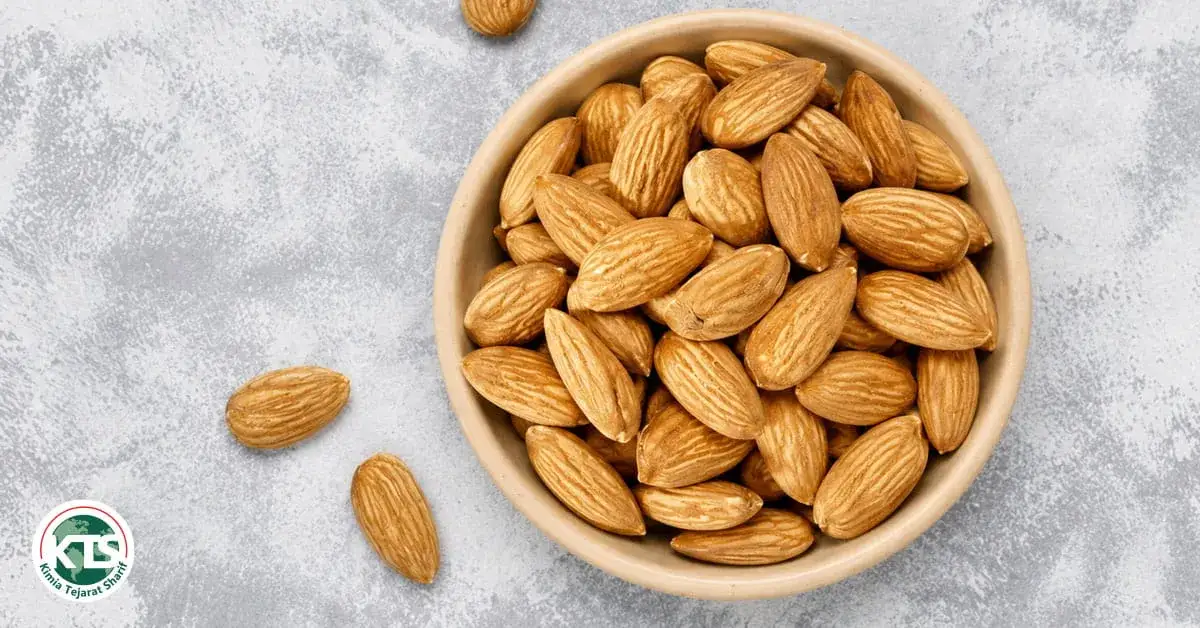
One of the most important considerations when purchasing Mamra almonds is the grade and kernel size. These factors influence the product’s appearance, intended application, market positioning and final price.
At KTS Trading, Mamra almonds are available in different commercial grades, ranging from smaller kernels to larger premium sizes. This gives buyers flexibility when selecting products for wholesale distribution, retail packaging and premium dry fruit markets. The grades below represent KTS Trading’s commercial product range. Exact specifications and availability should be confirmed for each order.
Mini Mamra Almonds
Mini Mamra Almonds are a smaller size option for buyers who want the characteristic flavour of Mamra almonds at a more economical price point. They may suit businesses where value and taste are more important than large kernel size.
ESB Grade
ESB Mamra Almonds offer another option for buyers seeking smaller kernels for selected retail and wholesale applications.
ES Grade
ES Mamra Almonds provide an additional grading option for businesses that need to balance kernel size, appearance and purchasing budget.
A Grade
A Grade Mamra Almonds are suitable for buyers looking for a different balance of kernel size and visual presentation. They can be evaluated for retail packaging and other commercial uses according to the buyer’s requirements.
2A Grade
2A Mamra Almonds are an option for buyers seeking larger kernels and an attractive presentation for selected retail or premium product ranges.
3A Grade
3A Mamra Almonds offer another option for international buyers comparing size, appearance and price when planning a wholesale purchase.
4A Grade
4A Mamra Almonds are positioned among the larger size options in the KTS Trading range and may suit buyers prioritising kernel appearance and premium presentation.
5A Grade
5A Mamra Almonds are among the largest and most premium sized options in this commercial range. They may appeal to luxury dry-fruit retailers and businesses that place greater emphasis on kernel size and visual presentation.
How to Select the Right Mamra Grade
|
Buyer Requirement |
Grades to Explore |
|
More economical purchasing |
Mini, ESB or ES |
|
Balanced size and price |
A or 2A |
|
Larger kernels and presentation |
3A or 4A |
|
Premium-size positioning |
5A |
This table is a starting point, not a substitute for product specifications. Commercial grading systems can differ between suppliers, so buyers should confirm kernel count, size range, acceptable defects and other requirements against the actual lot.
4. How to Choose Almonds for Different Export Markets
The right product depends on the customers you plan to serve. In India, for example, buyers may sell almonds through dry fruit retailers, premium grocery stores, distributors, online businesses or food manufacturers. Each channel can have different expectations regarding size, price, packaging and presentation.
Premium Retail and Dry Fruit Stores
Retailers serving premium customers may prioritise whole kernels, attractive appearance, consistent grading and flavour. Larger Mamra grades can be considered when visual presentation is a key selling point.
Wholesale Distribution
A wholesaler typically needs a balance between product quality, competitive purchasing costs and reliable replenishment. Before ordering, compare the grade, packaging, minimum order quantity and terms offered by each supplier.
Food Manufacturing
Manufacturers should choose almonds based on their intended use. Whole kernels may suit premium snacks and confectionery, while other sizes or kernel forms may be more appropriate for ingredients and processing.
International Buyers Serving India
For businesses sourcing almonds for the Indian market, it is important to confirm the applicable import rules, customs requirements, food safety documentation and labelling obligations before shipment. These requirements may change and can depend on the product and origin.
A suitable almond exporter should communicate clearly about origin, grading, packing details and the documentation available for the specific shipment.
5. How to Buy Almonds in Bulk
If you are learning how to buy almonds in bulk, follow a structured purchasing process rather than comparing suppliers by price alone.
- Define your requirements. Specify the almond variety, grade, quantity, intended use and destination country.
- Request product specifications. Ask for size information, acceptable defect levels, packaging details and available food safety documentation.
- Evaluate a representative sample. Check the appearance, aroma, texture and consistency before committing to a large order.
- Compare the complete cost. Consider product price, packaging, transport, insurance, applicable duties and other import related expenses.
- Agree on the order terms. Confirm quantity, delivery schedule, payment terms, inspection arrangements and the process for handling quality discrepancies.
- Check destination requirements. Verify applicable import permissions, certificates, testing and labelling rules before the shipment is dispatched.
For buyers in India, the landed cost is especially important: a lower product price does not necessarily mean a lower total cost after freight, duties, handling and other charges.
When deciding how to buy almonds in bulk, request a written quotation based on the exact grade and specification. This makes offers easier to compare and reduces the risk of misunderstandings between the buyer and supplier.
6. How to Find a Reliable Bulk Almond Supplier
Choosing a reliable bulk almond supplier is a key part of international sourcing. Product quality matters, but so do communication, documentation, consistency and the ability to meet agreed delivery terms.
Before placing an order, ask potential suppliers:
- Which almond varieties and grades are currently available?
- Can you provide detailed product specifications and a representative sample?
- What packaging options and order quantities are available?
- Which quality checks and food safety documents can be provided?
- Can you support repeat orders with agreed specifications?
- What are the quotation validity, delivery terms and payment conditions?
A trustworthy bulk almond supplier should provide clear information and realistic commitments instead of making unsupported guarantees.
For a buyer comparing a wholesale Mamra almonds supplier, it is particularly useful to confirm the exact grade, actual kernel size, batch consistency and whether the quoted product matches the approved sample. The grade name alone is not enough to establish every quality characteristic.
7. Wholesale Almonds: What Affects the Final Price?
The price of wholesale almonds depends on several factors, including variety, grade, size, crop availability, product condition, packaging, order volume and delivery terms.
Mamra almonds are generally positioned as a premium variety, but prices can vary considerably between grades and individual lots. Larger kernels may command a different price from smaller grades, while the final quotation also depends on availability and the buyer’s order specifications.
When comparing wholesale almonds, make sure you are comparing like-for-like products. Two quotations may appear different because they cover different grades, sizes, packaging formats or delivery arrangements.
A useful quotation should identify:
- Almond variety and commercial grade
- Product quantity and packaging
- Product specifications and applicable quality requirements
- Currency and quotation validity
- Delivery terms and destination
- Payment conditions and estimated dispatch schedule
For businesses planning an almond export transaction, transparent pricing and clearly defined specifications help reduce uncertainty and support better purchasing decisions.
8. Export Documentation and Compliance
Export documentation depends on the country of origin, destination market, product form and applicable regulations. Buyers and suppliers should agree on the required documents before the order is shipped.
Depending on the transaction and destination, relevant documents may include:
- Commercial invoice and packing list
- Certificate of origin, where required
- Applicable phytosanitary or health certificates
- Laboratory test reports or food safety documentation
- Transport documents and customs declarations
- Import permits or other destination specific approvals, where applicable
For Indian importers, confirm current requirements with the relevant authorities, customs broker or qualified trade professional. Requirements can change, and a document required for one destination may not be required for another.
A professional almond exporter should clarify which documents can be supplied and which responsibilities belong to the buyer, seller, freight forwarder or importer.
9. Why Choose KTS Trading for Wholesale Mamra Almonds?
KTS Trading supplies Mamra almonds in a range of commercial grades for buyers looking for different kernel sizes and purchasing options. Our product range allows businesses to explore smaller and larger grades according to their retail, wholesale or distribution requirements.
For buyers searching for a wholesale Mamra almonds supplier, selecting the right grade is an important starting point. KTS Trading provides dedicated product pages for its Mini, ESB, ES, A, 2A, 3A, 4A and 5A Mamra grades so customers can explore the available options and discuss their requirements directly with our team.
If you are looking for a bulk almond supplier for your business, contact KTS Trading to enquire about current availability, product specifications, pricing and bulk-order options. We encourage buyers to confirm the grade, sample, packaging and agreed requirements before finalising a purchase.
Contact KTS Trading for Bulk Orders
Whether you are an importer, wholesaler, distributor or food business, our team can discuss your requirements and help you explore suitable Mamra almond grades. For product enquiries, wholesale quotations and bulk purchasing, message KTS Trading on WhatsApp through the contact options on our website. Please include your destination country, required grade, estimated quantity and preferred packaging so we can better understand your request.
Soure
https://www.almonds.org/
FAQs
1. How to choose almonds for export?
Compare variety, kernel size, grade, freshness, defects, packaging and destination-market requirements. Request a representative sample and written specifications before confirming the order.
2. How to buy almonds in bulk?
Define the required variety, grade, quantity and destination, then request quotations and samples from suppliers. Compare product specifications, total landed cost, delivery terms and available documentation before purchasing.
3. What determines almond export quality?
Almond export quality depends on factors such as kernel condition, size consistency, freshness, moisture, cleanliness, acceptable defects and compliance with applicable food-safety requirements.
4. How can I find a reliable bulk almond supplier?
Look for a supplier that communicates clearly, provides product specifications, supports sample evaluation and explains available packaging, documentation and delivery terms.
5. Which Mamra almond grade should I choose?
The right grade depends on your budget, target customers and desired kernel size. Smaller grades may suit value-focused purchasing, while larger grades can be considered for premium presentation. Confirm the actual specifications with the supplier.