
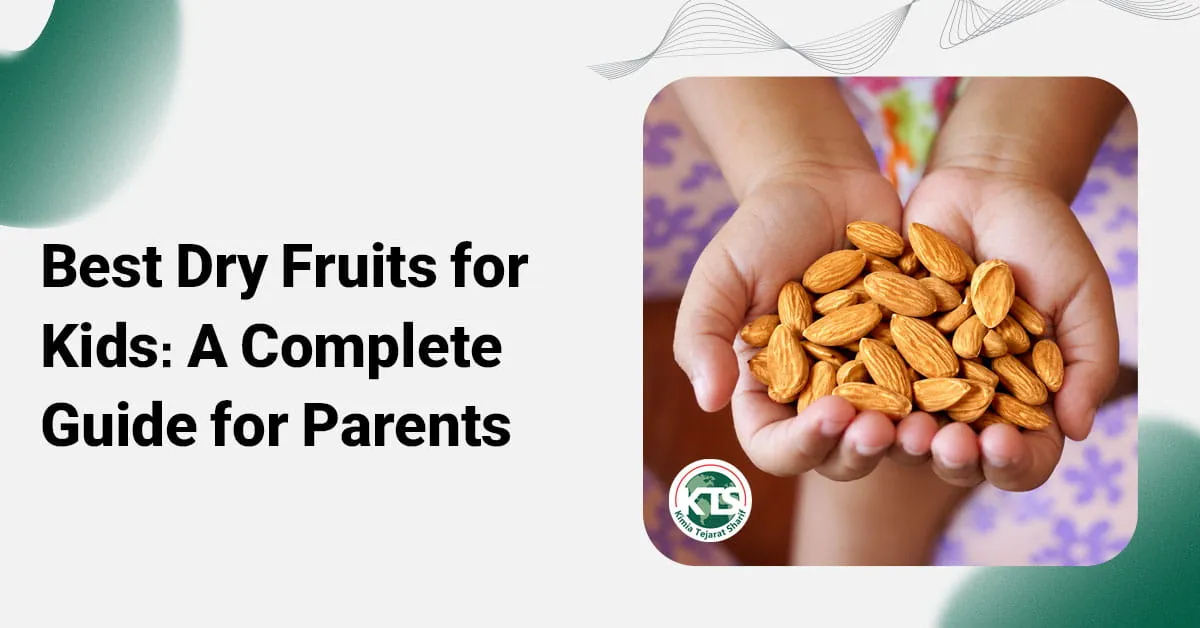
Children need a balanced diet to support their growth, development, and everyday activities. Including a variety of nuts and dried fruits in their meals can provide valuable nutrients, including protein, healthy fats, fibre, vitamins, and minerals. Almonds, pistachios, walnuts, dates, raisins, and dried figs each offer different nutritional benefits, making them useful additions to a child’s diet when served in appropriate forms and portions.
Choosing the Best Dry Fruits for Kids involves more than simply picking popular varieties. Parents should consider their child’s age, nutritional needs, food preferences, and any potential allergies. While no single dry fruit can provide all the nutrients a growing child needs, incorporating different varieties into a balanced diet can make everyday meals more nutritious and enjoyable.
Why Are Dry Fruits Good for Kids?
Dry fruits and nuts offer a range of nutrients that contribute to a balanced diet. Nuts provide protein, unsaturated fats, and minerals, while dried fruits supply carbohydrates, fibre, and varying amounts of vitamins and minerals. The main benefits of dry fruits for kids include:
- Energy for daily activities: Dates and raisins contain natural sugars that provide energy.
- Protein and healthy fats: Almonds and pistachios contribute nutrients needed for normal growth and body functions.
- Dietary fibre: Certain nuts and dried fruits provide fibre that supports normal digestion.
- Essential micronutrients: Almonds, walnuts, pistachios, and dried figs contain different combinations of minerals and vitamins.
Including healthy dry fruits for children can make snacks more varied and enjoyable. However, these foods work best alongside regular meals containing vegetables, fresh fruit, whole grains, dairy or suitable alternatives, and other protein sources.
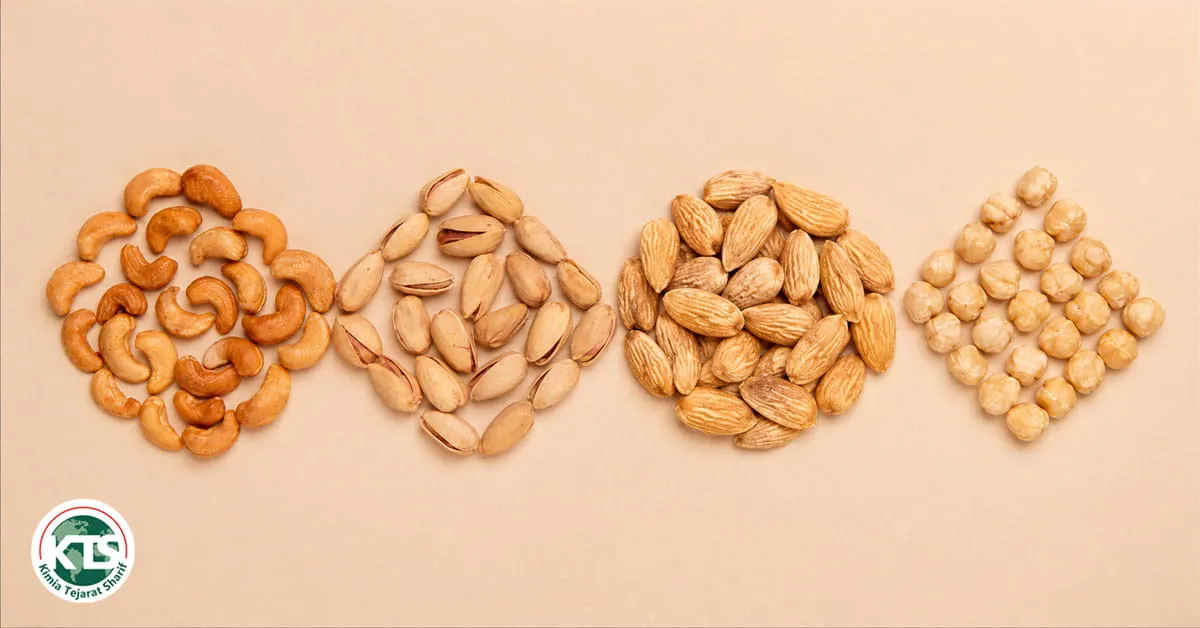
7 Best Dry Fruits for Kids
The following options are widely available in India and can be incorporated into breakfasts, snacks, and homemade recipes.
1. Almonds
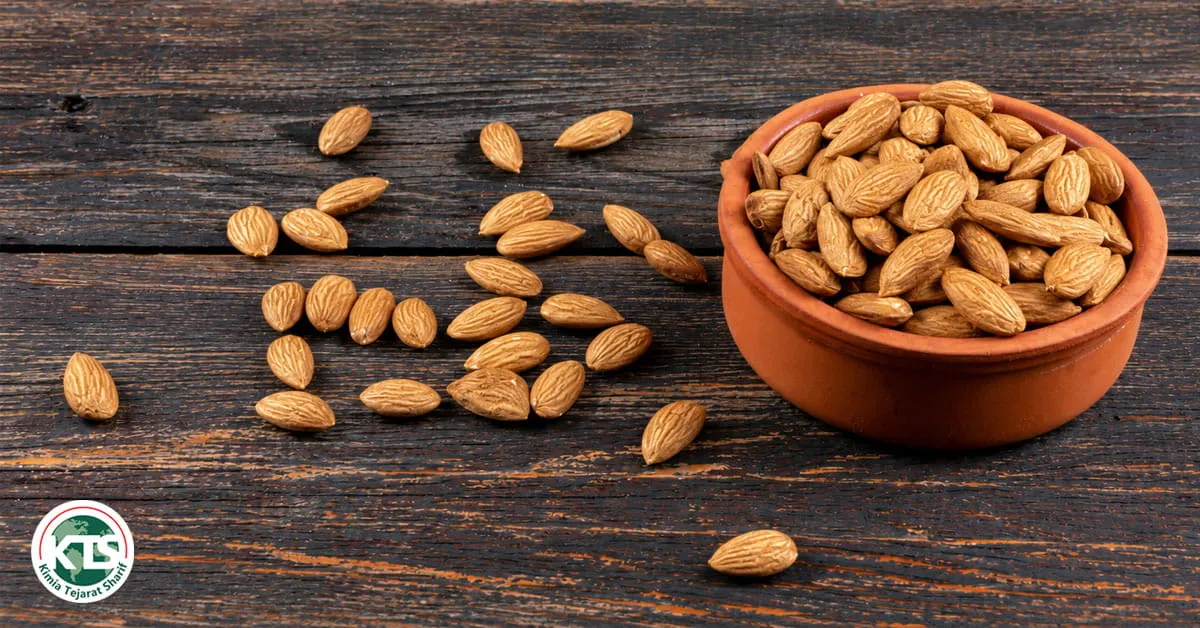
Almonds are a nutritious addition to a child’s diet, providing vitamin E, protein, fibre, magnesium, and healthy unsaturated fats. These nutrients support normal growth and development, making almonds a valuable choice for parents looking to introduce more nutritious foods into their children’s daily meals.
Among the different varieties, Iranian Mamra almonds stand out for their naturally sweet flavour, crisp texture, and distinctive elongated shape. Unlike varieties that may have a more pronounced bitter taste, Mamra almonds are appreciated for their pleasant sweetness and enjoyable crunch. Their appealing taste can make them a more enjoyable option for children who are selective about what they eat.
For parents searching for the Best Dry Fruits for Kids, Mamra almonds offer a combination of nutritional value and an enjoyable eating experience. They can be finely ground into porridge, blended into smoothies, or incorporated into age appropriate homemade snacks.
KTS Trading offers premium Iranian Mamra almonds for families who appreciate their distinctive flavour and quality. Explore our best Mamra Almond collection to discover this special variety. As with all nuts, serve almonds in a form appropriate for the child’s age to reduce choking risks, and avoid them if the child has a relevant allergy.
2. Walnuts
Walnuts contain unsaturated fats, including the plant based omega-3 fatty acid alpha linolenic acid. They also provide fibre and other nutrients that contribute to a balanced diet. Among the best nuts for kids, walnuts offer a useful way to introduce different types of healthy fats.
Finely ground walnuts can be added to porridge or other suitable foods to make their texture easier to manage. Parents looking for healthy dry fruits for children can alternate walnuts with almonds and pistachios rather than relying on a single variety.
3. Pistachios
Pistachios provide protein, fibre, vitamin B6, and unsaturated fats. Their distinctive flavour also makes them suitable for a variety of homemade snacks. For families exploring the best nuts for children, plain, unsalted pistachios can be incorporated into suitable recipes. Finely ground pistachios can be mixed into porridge or other soft foods.
Pistachios are one of the best nuts for kids when considered as part of a varied diet, although no single nut is essential for every child. Choose an age appropriate texture and account for any known nut allergies.
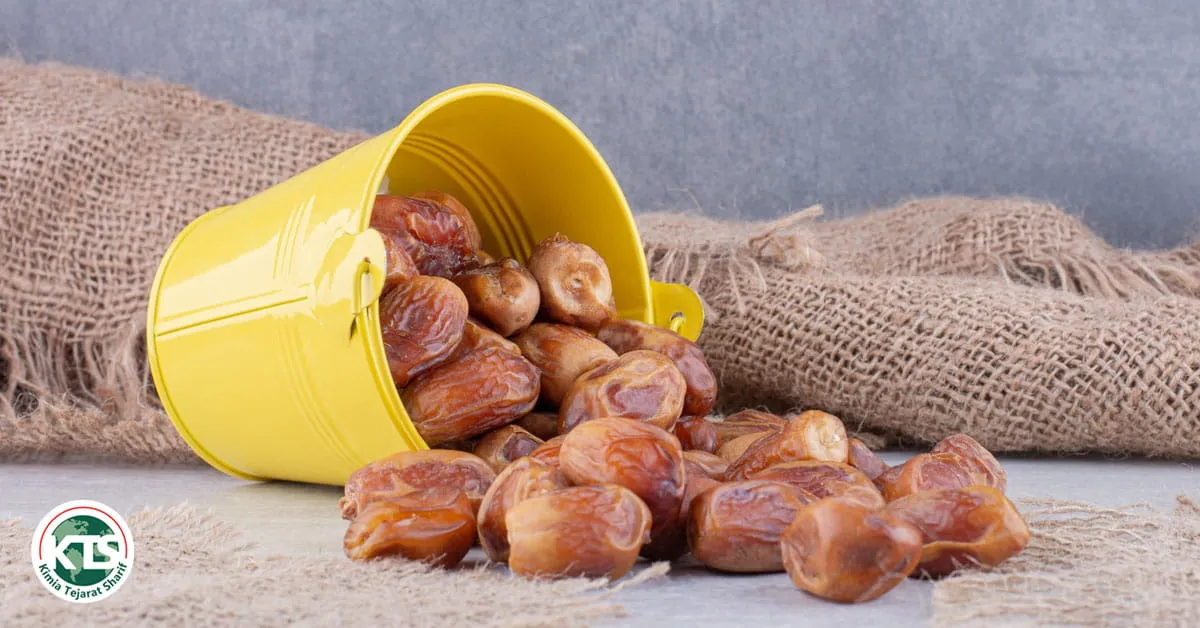
4. Dates
Dates are naturally sweet and provide carbohydrates, fibre, and minerals such as potassium. Their soft texture, when properly prepared, makes them a versatile ingredient in homemade foods. Dates can be finely chopped or mashed into porridge, used in homemade snack recipes, or combined with other suitable ingredients.
They can also provide sweetness without needing as much added sugar in some recipes, although their natural sugar content still matters. For parents researching dry fruits for child growth, dates can contribute energy to a balanced diet, but they should not be treated as a complete source of nutrition or a replacement for regular meals.
5. Raisins
Raisins provide carbohydrates, fibre, and small amounts of minerals. Their naturally sweet flavour makes them a popular addition to breakfast cereal, porridge, and homemade foods. For younger children, raisins should be prepared according to age specific food safety guidance.
Avoid giving whole raisins to babies under one year, and cut dried fruit into small pieces where appropriate. Raisins can be included among the Best Dry Fruits for Kids when served safely and in moderate portions. As with other dried fruits, their concentrated natural sugars mean they should not be consumed excessively.
6. Dried Figs
Dried figs provide fibre and minerals, including potassium and calcium. They can add variety to a child’s diet and work well when chopped finely and mixed into suitable foods. Parents interested in the benefits of dry fruits for kids may consider figs as one way to increase dietary variety. Their fibre content can contribute to normal digestive function, although individual results depend on the overall diet. Choose clean, properly stored figs and check for signs of spoilage before serving.
7. Cashews
Cashews contain protein, unsaturated fats, magnesium, copper, and other nutrients. Their mild flavour makes them a useful ingredient in a range of Indian dishes.
Cashews can be finely ground and added to suitable recipes, including porridge and other soft foods. They are also used in many traditional preparations, although recipes containing substantial amounts of added sugar should be occasional treats rather than everyday staples. Including cashews alongside other healthy dry fruits for children provides variety instead of relying on one food for all nutritional needs.
How Do Dry Fruits Support Child Growth?
Children need adequate energy, protein, fats, vitamins, and minerals to grow and develop. Dry fruits and nuts can contribute some of these nutrients, but growth depends on overall food intake, health, sleep, and other individual factors.
The role of dry fruits for child growth is best understood as part of a balanced diet rather than as a special treatment. Almonds and pistachios contribute protein and healthy fats, walnuts provide plant based omega-3 fats, and dried fruits supply energy and fibre.
For parents evaluating the benefits of dry fruits for kids, variety is more useful than assuming one particular nut is superior. A combination of suitable foods can help broaden a child’s nutritional intake.
Remember that dry fruits for child growth cannot independently guarantee increased height, weight gain, stronger immunity, or improved academic performance. If you are concerned about your child’s growth or appetite, consult a paediatrician.
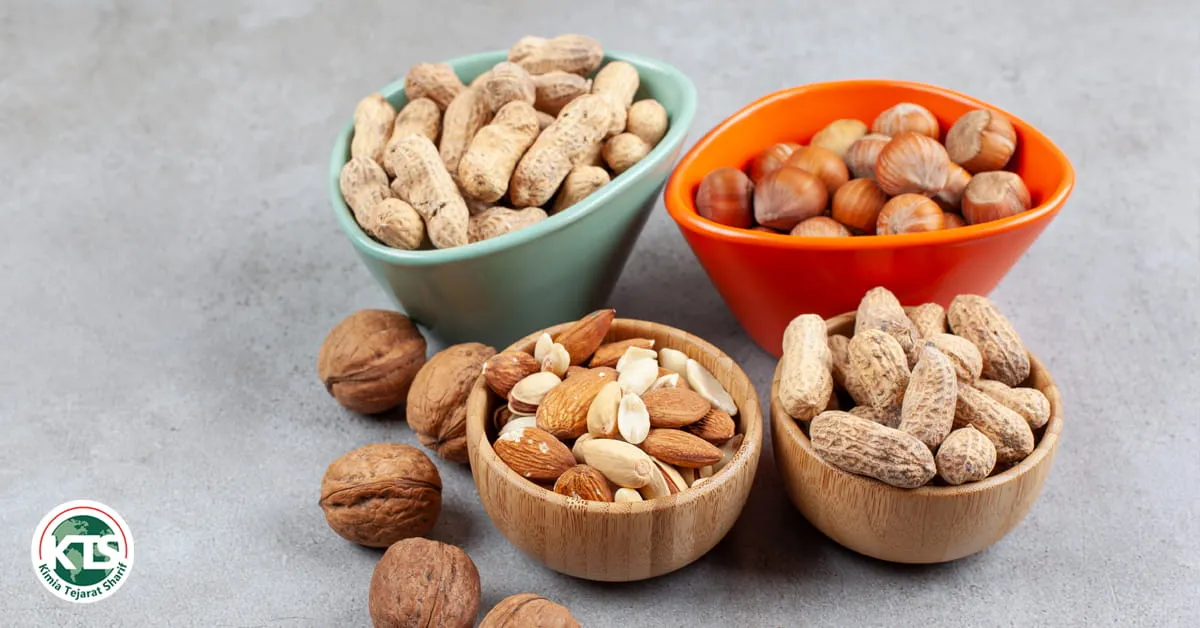
How to Include Dry Fruits in a Child’s Daily Diet
Making dry fruits part of familiar meals can be easier than offering them as a separate snack. Try these simple ideas:
- Breakfast: Add finely ground almonds or walnuts to porridge.
- Milk or yoghurt: Mix a suitable amount of ground nuts into an age appropriate serving.
- Homemade snacks: Use mashed dates to add natural sweetness to selected recipes.
- Lunchboxes: For older children who can chew safely, offer an age appropriate portion of suitable dry fruits.
- Family meals: Add ground pistachios or cashews to recipes for extra flavour and variety.
When selecting the best nuts for kids, choose plain or unsalted products where possible. Parents looking for the best nuts for children should also consider allergies, age, texture, and the child’s overall diet.
Similarly, almonds for kids can be served in different ways depending on their age and chewing ability. There is no universal daily portion that suits every child, so adjust servings to individual needs and seek professional advice if necessary.
Are Mamra Almonds a Good Choice for Kids?
Almond varieties differ in shape, flavour, texture, and price. Iranian Mamra almonds are appreciated for their naturally sweet flavour, crisp texture, and distinctive elongated appearance. These characteristics make them an appealing choice for families who enjoy premium quality almonds.
For parents considering almonds for kids, Mamra almonds offer another variety to explore as part of a balanced diet. Their pleasant flavour makes them suitable for finely ground almond preparations, provided the texture is appropriate for the child’s age.
KTS Trading offers a selection of premium Mamra almonds for customers interested in this distinctive variety. You can explore our Mamra Almond collection to learn more about the available products. Although Mamra almonds have an appealing flavour and texture, they should not be considered nutritionally superior to all other almonds for children. The most important factors are product quality, freshness, safe preparation, and a varied diet.
Safety Tips When Giving Dry Fruits to Kids
Dry fruits can be nutritious, but their texture and size require special attention when feeding young children.
- Prevent choking: Do not give whole nuts to children under five. Use finely ground nuts or another age appropriate form.
- Prepare dried fruit carefully: Cut dried fruit into small pieces when appropriate, and avoid sticky or hard pieces that may be difficult to chew.
- Watch for allergies: Nuts can cause allergic reactions. Seek medical advice about introducing nuts if your child has a known allergy or a relevant medical history.
- Choose quality products: Avoid nuts and dried fruits with visible mould, unusual odours, or signs of spoilage.
- Limit added sugar and salt: Prefer plain products over heavily salted, sugar coated, or confectionery style varieties.
For babies and young children, follow age specific feeding guidance from a healthcare professional. The NHS advises that whole nuts should not be given to children under five because of choking risk.
References
NHS — Foods to Avoid Giving Babies and Young Children
FAQs
1. What are the best dry fruits for kids?
Almonds, walnuts, pistachios, cashews, dates, raisins, and dried figs can all contribute different nutrients. The Best Dry Fruits for Kids depend on the child’s age, dietary needs, allergies, and how safely the food can be served.
2. Are almonds good for children?
Yes. Almonds provide vitamin E, protein, fibre, magnesium, and unsaturated fats. Almonds for kids can be included in a balanced diet when prepared in an age appropriate form.
3. Which nuts are best for children’s health?
Almonds, walnuts, pistachios, and cashews each provide different nutrients. The best nuts for children are those that suit their nutritional needs, are safely prepared, and can be included in a varied diet.
4. Do dry fruits help with child growth?
Dry fruits provide nutrients that can contribute to a balanced diet. However, dry fruits for child growth are not a substitute for adequate meals, and no single variety can guarantee improved height or development.
5. How often can children eat dry fruits?
Dry fruits can be included regularly in suitable portions as part of a varied diet. The appropriate amount depends on age, appetite, nutritional needs, and the rest of the child’s meals.
6. What are the top 10 dry fruits?
Popular choices include almonds, walnuts, pistachios, cashews, dates, raisins, dried figs, dried apricots, prunes, and dried cranberries.
7. Can a 2 year old eat dried fruits?
Yes, but dried fruits should be softened or cut into small, manageable pieces and served under supervision. Avoid whole nuts because of choking risks.
8. When should you avoid dry fruits?
Avoid them if they are mouldy, spoiled, or contaminated, or if you have an allergy to a particular variety. People with specific medical conditions may need individual dietary advice.
9. Which dry fruit is unhealthy?
No single dry fruit is inherently unhealthy. However, varieties with excessive added sugar, salt, or coatings are less suitable for frequent consumption.
10. Can I eat 20 almonds per day?
For many healthy adults, 20 almonds can fit into a balanced diet. The appropriate amount depends on your overall diet, energy needs, and individual health conditions.
11. Which dry fruit is best to eat daily?
Almonds are a convenient option because they provide vitamin E, fibre, protein, and healthy fats. However, variety is important for a balanced diet.
12. Which nuts should not be eaten daily?
Most plain nuts can be eaten regularly in moderate portions if you have no relevant allergy or medical restriction. Choose unsalted varieties and vary your choices.
13. Why eat 3 almonds early in the morning?
Almonds provide healthy fats, protein, and vitamin E. However, there is no proven special benefit to eating exactly three almonds or eating them specifically in the morning.
14. What should not be mixed with almonds?
There is no general food combination that must be avoided with almonds. They can be paired with fruit, yoghurt, oats, or dates, unless you have an allergy or specific dietary restriction.