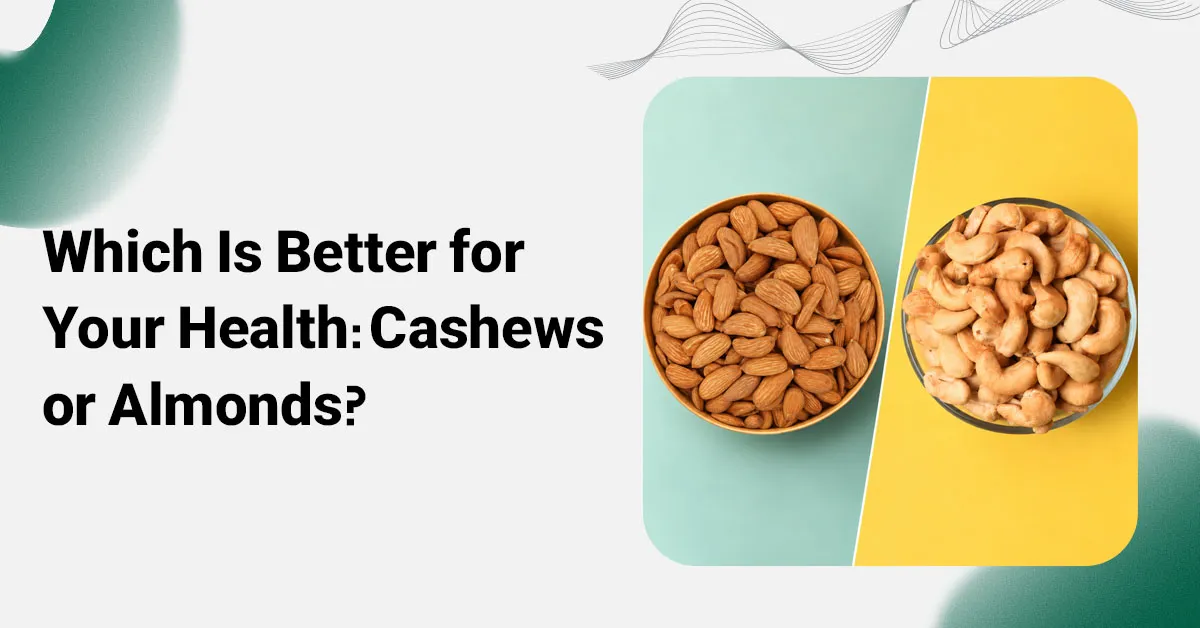
Cashews and almonds are both nutrient rich nuts that can be valuable additions to a balanced diet. Although they share several nutritional benefits, their differences in protein, fibre, vitamins and minerals can make one more suitable than the other for specific dietary goals. Almonds generally provide more fibre, protein and vitamin E, while cashews are particularly rich in copper and offer beneficial amounts of magnesium and zinc. Comparing their nutritional profiles can help you make a more informed choice for everyday snacking, weight management and overall health.
So, which is the better choice: cashews or almonds? The answer depends on your nutritional priorities, portion sizes and personal preferences. Almonds may be a better option if you want to increase your fibre and vitamin E intake, whereas cashews offer a creamy texture and a distinctive, mild flavour. In this guide, we compare their calories, protein, health benefits and suitability for weight loss and diabetes to help you decide which nut best fits your lifestyle.
Cashews vs Almonds: Nutritional Comparison
A useful way to compare these nuts is to examine their nutritional content in equal portions. Although both provide beneficial fats and essential nutrients, the amounts of protein, fibre and certain vitamins and minerals differ. The following table shows approximate nutritional values for a 28 gram serving of plain almonds and cashews.
|
Nutrient |
Almonds |
Cashews |
|
Calories |
164 kcal |
157–163 kcal |
|
Protein |
6 g |
4–5 g |
|
Dietary fibre |
3.5 g |
Approximately 1 g |
|
Total fat |
14.2 g |
Approximately 12.5–13 g |
|
Vitamin E |
Rich source |
Lower amount |
|
Magnesium |
Good source |
Good source |
|
Copper |
Good source |
Particularly rich source |
When comparing cashews vs almonds, each nut offers distinct nutritional advantages. Almonds stand out for their higher protein, fibre and vitamin E content, while cashews are an excellent source of copper and provide valuable amounts of magnesium and zinc. Both also contain predominantly unsaturated fats, making them suitable additions to a balanced diet.
Ultimately, the right choice depends on your individual nutritional goals and eating habits. Consider the nutrients you want to prioritise, the flavour and texture you prefer, and the portion size that fits your daily diet. This approach allows you to enjoy the benefits of either nut without focusing on a single nutritional factor.
Almonds vs Cashews Which Is Healthier?
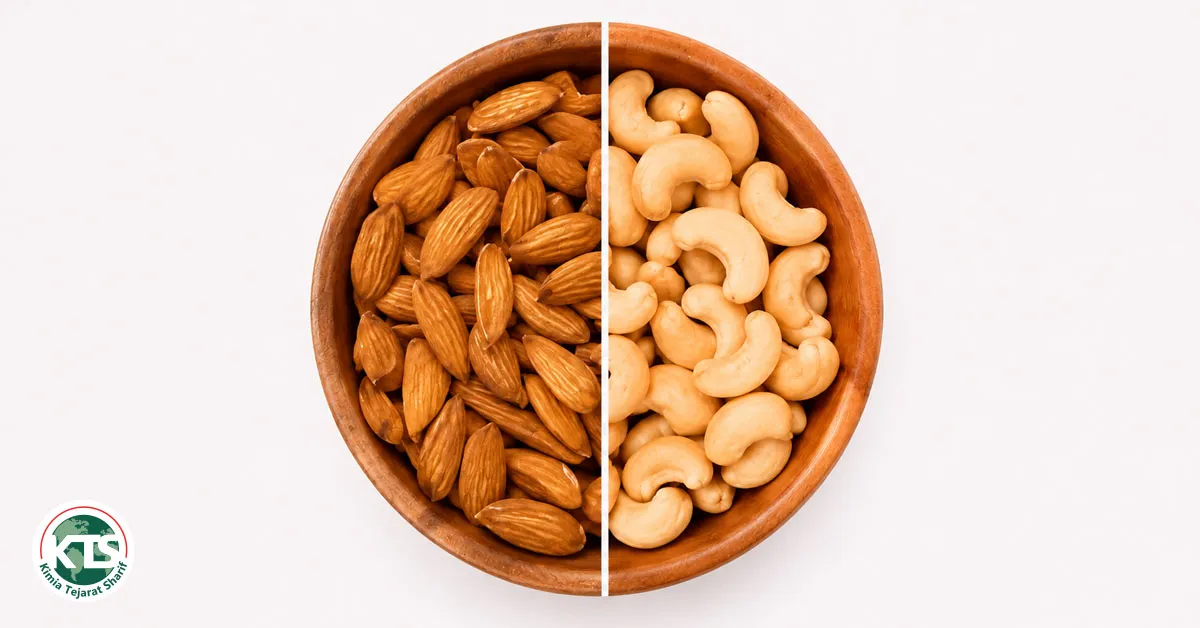
The answer to Almonds vs cashews which is healthier depends on the nutrients you want to prioritise. Almonds are particularly useful for increasing vitamin E and fibre intake, while cashews provide copper, magnesium and zinc.
Vitamin E acts as an antioxidant that helps protect cells from oxidative damage. Dietary fibre supports digestive health, while copper contributes to normal energy metabolism and connective tissue maintenance. Both nuts supply nutrients that help the body function normally.
For people who want a crunchy snack with more fibre and vitamin E, almonds may be the more suitable option. Cashews can be equally appealing if you prefer their creamy texture and mild flavour or want to diversify your mineral intake.
Ultimately, Almonds vs cashews which is healthier does not have one universal answer. Both can form part of a varied diet, and the best choice depends on your nutritional priorities, preferences and overall eating habits.
Cashews vs Almonds Calories: Which Is Better for Daily Snacking?
Calorie content is worth considering when choosing everyday snacks, but nutritional value, flavour and texture also play an important role. Both cashews and almonds can be part of a balanced diet, and the best choice depends on your preferences and dietary needs.
A 28 gram serving of almonds provides approximately 164 calories, while the same quantity of cashews generally contains around 157–163 calories. When comparing Cashews vs almonds calories, this small difference is less important than portion size and the overall nutritional value of each nut.
If you want to make your daily almond snacking experience even more enjoyable, we recommend trying Mamra almonds from KTS Trading. Known for their naturally sweeter taste and satisfying crunch, Mamra almonds offer a distinctive flavour that makes them particularly appealing to almond lovers. Their characteristic sweetness and crisp texture make them an excellent choice for those who want to enjoy almonds for both their nutritional value and their taste.
Portion control remains important because both nuts are energy dense. Enjoying a moderate serving of plain almonds or cashews can help you include their beneficial nutrients in your diet without consuming excessive calories. Ultimately, the Cashews vs almonds calories comparison is only one part of the decision; choosing a nut you genuinely enjoy can make everyday snacking a more satisfying experience.
Explore the best Mamra Almond to discover our available grades. For current prices, availability and shipping information, message our team through WhatsApp using the contact options on our website.
Cashews vs Almonds Protein: Which Provides More?
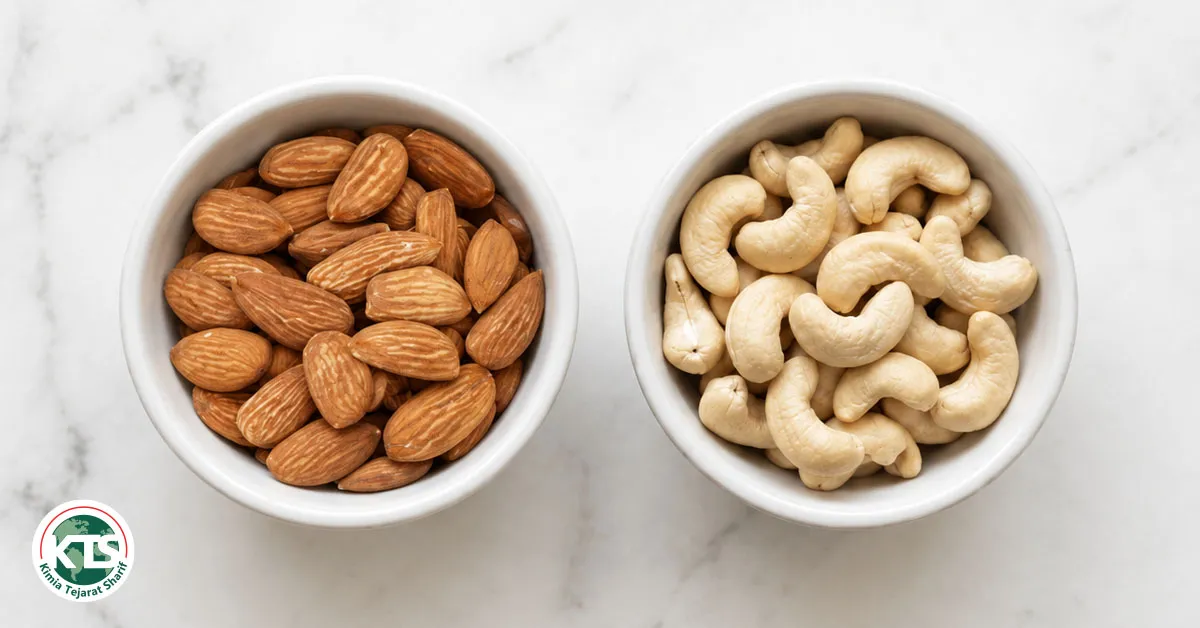
Protein contributes to muscle maintenance, tissue repair and many other essential bodily functions. Both almonds and cashews provide plant based protein, but almonds generally contain more per serving. A 28 gram serving of almonds provides approximately 6 grams of protein, compared with around 4–5 grams from cashews. This gives almonds a clear advantage in the Cashews vs almonds protein comparison.
For vegetarians and people looking to diversify their protein intake, almonds can complement foods such as lentils, beans, yoghurt and tofu. Cashews also contribute protein and can be included in snacks, sauces and meals. Neither nut should be relied upon as the sole source of dietary protein. Combining different protein rich foods throughout the day is a more practical way to meet individual nutritional requirements.
If protein intake is your main priority, Cashews vs almonds protein generally favours almonds. However, both nuts provide additional nutrients, so your choice can also reflect flavour, texture and how you prefer to incorporate them into your meals.
Find out more about: Dry Fruits Every Woman
Almonds vs Cashews Benefits: What Makes Each Nut Special?
The almonds vs cashews benefits comparison reveals that both nuts offer valuable nutrients, although their individual strengths differ. Understanding these differences can help you choose a suitable snack and add greater variety to your diet.
Benefits of almonds
Almonds are well known for their vitamin E content, dietary fibre, magnesium and unsaturated fats. Vitamin E acts as an antioxidant, while fibre supports normal digestive function. Magnesium contributes to normal muscle and nerve function. Almonds are also versatile and can be enjoyed on their own, added to breakfast bowls or incorporated into salads, desserts and traditional Indian recipes.
For people who prioritise vitamin E and fibre, almonds are a particularly useful option. Mamra almonds are worth considering if you also value flavour and texture. Their naturally sweet taste and satisfying crunch can make them an appealing choice for everyday snacking.
Benefits of cashews
Cashews are a useful source of copper, magnesium, zinc and plant-based protein. Copper supports normal energy metabolism and connective tissue maintenance, while zinc contributes to normal immune function. Their creamy texture and mild flavour make cashews popular in Indian cooking. They can be used in gravies, sauces, desserts and plant-based cream alternatives, as well as eaten as a snack.
Looking at the almonds vs cashews benefits, neither nut provides every nutrient in the highest amount. Including different nuts in a varied diet can help diversify nutrient intake, provided portion sizes and individual dietary requirements are considered.
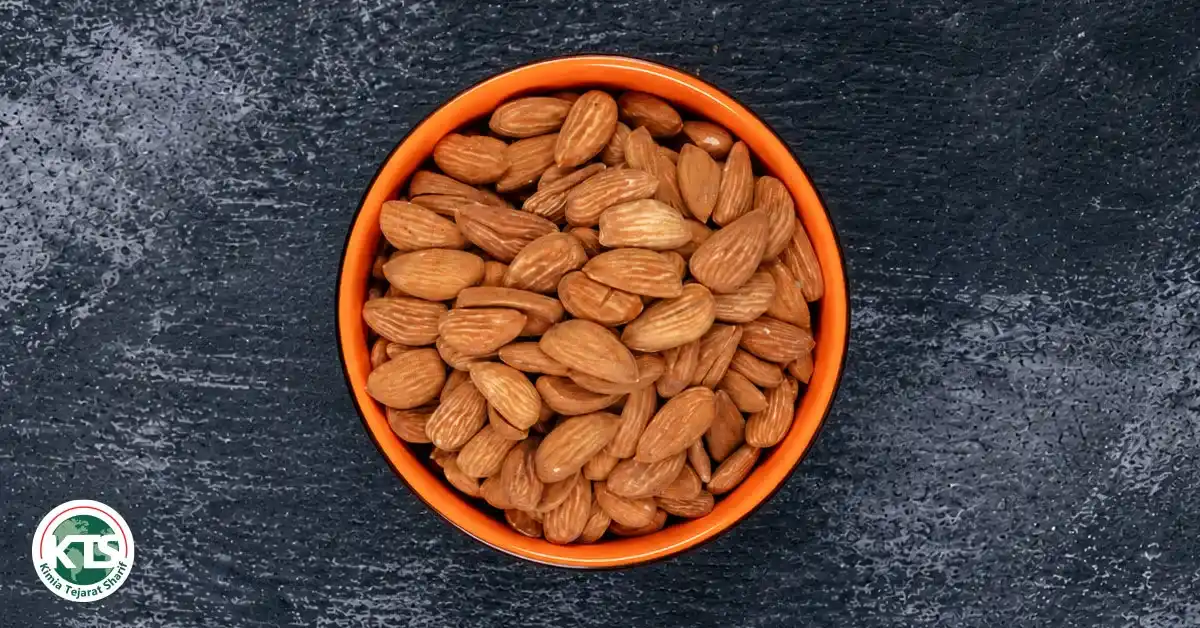
Cashews vs Almonds for Weight Loss
Nuts can fit into a weight-management plan despite their relatively high calorie content. Their combination of fats, protein and other nutrients can make them satisfying alternatives to many highly processed snacks.
When considering cashews vs almonds for weight loss, almonds offer more fibre and protein per serving, whereas cashews may contain slightly fewer calories. These differences can inform your choice, but neither nut directly causes weight loss.
The more important factors are your overall energy intake, portion sizes and eating habits. Replacing a less nutritious snack with a measured serving of plain nuts can be a practical strategy when the substitution fits your daily energy requirements.
Almonds may appeal to people who prefer a crunchier texture, while cashews offer a softer, creamier bite. Mamra almonds can also be an enjoyable option for those who prefer a naturally sweet and crisp almond variety, without needing added sugar for flavour.
Find out more about: Is Mamra Badam Better Than Normal Almonds
Cashews vs Almonds for Diabetes: Which Is More Suitable?
For people managing diabetes, choosing snacks with less carbohydrate and more fibre can help support blood sugar management. Both almonds and cashews can be included in a balanced diet, but almonds may have a slight nutritional advantage for people with diabetes because they generally contain more fibre and fewer carbohydrates per serving than cashews.
Fibre supports digestive health and can help slow the absorption of carbohydrates when eaten as part of a meal. Almonds also provide protein and healthy unsaturated fats, which contribute to their overall nutritional value. Cashews remain a nutritious option, supplying minerals such as copper and magnesium, although their carbohydrate content is generally higher.
When comparing cashews vs almonds for diabetes, portion size and preparation are important. Choose plain, unsweetened nuts rather than sugar-coated varieties, and pay attention to added salt if you also need to manage blood pressure. Eating large portions of either nut can increase your calorie intake, so moderation matters.
Overall, almonds are often the more suitable choice when prioritising fibre and lower carbohydrate intake, while cashews can still fit into a diabetes-friendly eating plan in appropriate portions. Individual blood sugar responses vary, so consider your overall meals and follow advice from your healthcare professional. Neither nut replaces prescribed diabetes medication or medical treatment.
Why Mamra Almonds Are Worth Trying
Choosing almonds is not only about comparing nutritional figures. Flavour, texture and appearance also influence the eating experience, particularly for customers who appreciate premium dry fruits.
Mamra almonds are recognised for their elongated shape, naturally sweet flavour and crisp texture. Their distinctive characteristics make them appealing to people who want an almond that offers more than a conventional, mild taste. They can be enjoyed on their own, served to guests or included in premium dry-fruit assortments.
For those who want a sweeter and crunchier almond experience, we recommend trying Mamra almonds from KTS Trading. Their characteristic flavour and texture make them an attractive option for everyday snacking and premium product selections. As with any almond variety, the final taste and texture can vary according to the product and storage conditions.
KTS Trading offers Mamra almonds in different grades to accommodate varying preferences and purchasing requirements. Buyers can explore the available options according to their preferred kernel size, appearance and budget.
FAQs
1. Are almonds healthier than cashews?
Almonds provide more fibre and vitamin E, while cashews are rich in copper, magnesium and zinc. Both can be part of a balanced diet.
2. Which nut has fewer calories?
Cashews generally contain slightly fewer calories than almonds in an equal serving, although the exact values vary by product and preparation.
3. Which nut contains more protein?
Almonds typically provide around 6 grams of protein per 28-gram serving, compared with approximately 4–5 grams from cashews.
4. Can people with diabetes eat almonds and cashews?
Many people with diabetes can include plain almonds and cashews in a balanced diet. Portion size and total carbohydrate intake should be considered alongside individual medical advice.
5. What makes Mamra almonds different?
Mamra almonds are appreciated for their elongated shape, naturally sweet flavour and crisp texture, making them an appealing option for premium dry-fruit lovers.
6. Where can I buy Mamra almonds?
Visit the KTS Trading Mamra Almond collection and contact our team through WhatsApp to enquire about prices, grades and availability.
7. Are almonds or cashews healthier?
Almonds provide more fibre, protein and vitamin E, while cashews are rich in copper, magnesium and zinc. Both are nutritious choices.
8. What are the top 3 healthiest nuts?
Almonds, walnuts and pistachios are excellent choices because they provide beneficial fats, fibre and essential nutrients.
9. How much protein is in 10 almonds and 10 cashews?
Ten almonds provide approximately 2.5 g of protein, while 10 cashews provide around 1.8 g. Together, they provide roughly 4.3 g.
10. Is 20 cashews a day too much?
Not necessarily. Twenty cashews provide approximately 170–180 calories. The appropriate amount depends on your overall diet and energy needs.