
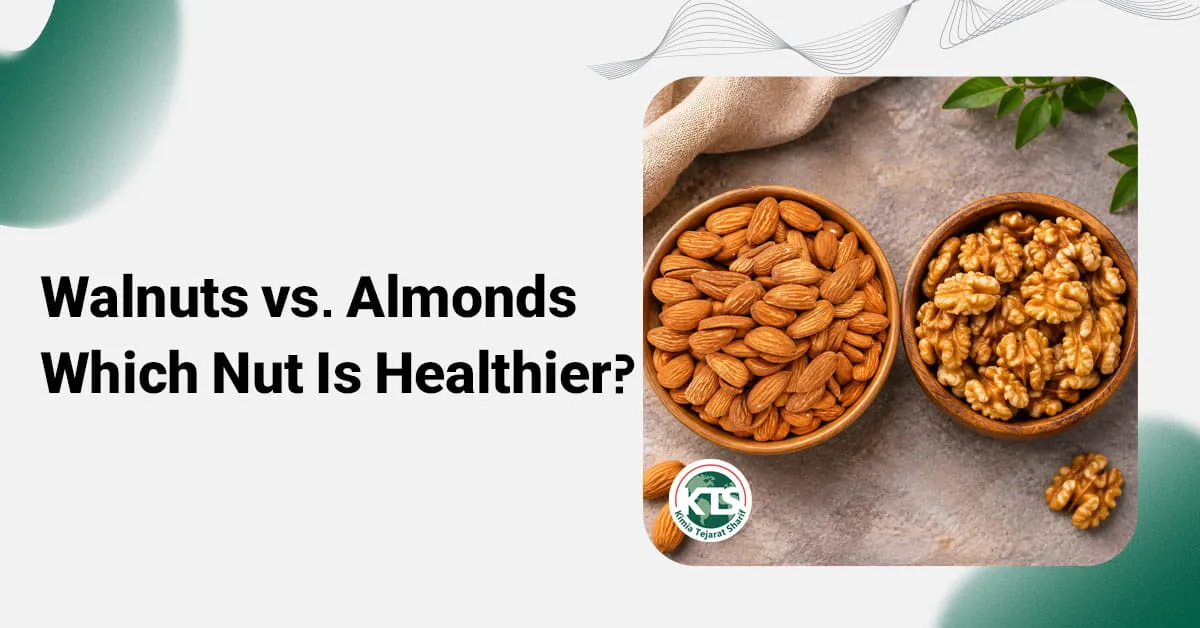
Walnuts and almonds are both nutrient rich nuts, but they offer different health benefits. Almonds are particularly rich in protein, fibre and vitamin E, while walnuts provide more plant based omega 3 fatty acids, which contribute to cardiovascular health. If you are wondering which is healthier almonds or walnuts, the answer depends on your nutritional needs, portion sizes and overall diet.
Comparing walnuts vs almonds nutrition reveals that almonds generally provide more protein and vitamin E, whereas walnuts are a better source of plant based omega 3 fatty acids. Both are nutritious choices for everyday snacking, and including them in a balanced diet can help diversify your nutrient intake.
Beyond nutritional value, taste and texture also matter when choosing almonds for daily consumption. For those who appreciate a distinctive elongated shape, a naturally sweet flavour and a satisfying crunch, Mamra almonds are an excellent option to consider. Known for their rich taste and crisp texture, they offer an enjoyable premium almond experience. Explore the Mamra Almond collection at KTS Trading to discover the available grades and find an option that suits your preferences.
Walnuts vs Almonds Nutrition: A Side by Side Comparison
Although both nuts contain beneficial unsaturated fats, their nutritional profiles differ. Comparing equal serving sizes helps explain what each nut contributes to your diet.
|
Nutrient |
Almonds (28–30 g) |
Walnuts (28–30 g) |
|
Calories |
164–170 kcal |
183–185 kcal |
|
Protein |
Around 6 g |
Around 4.3 g |
|
Total fat |
14–15 g |
18–18.5 g |
|
Fibre |
3–3.5 g |
Around 2 g |
|
Omega-3 (ALA) |
Very little |
Around 2.5 g |
|
Vitamin E |
Excellent source |
Lower amount |
Values are approximate and vary by variety and serving size.
The main difference in walnuts vs almonds nutrition is the balance of nutrients. Almonds generally provide more protein, fibre and vitamin E per serving, while walnuts are significantly richer in alpha linolenic acid (ALA), a plant based omega 3 fatty acid.
When comparing walnuts vs almonds calories, almonds typically provide slightly fewer calories for the same weight. However, both are energy dense foods, so portion size remains important.
Walnuts vs Almonds Protein: Which Provides More?
Protein supports muscle maintenance, tissue repair and several essential bodily functions. Although neither nut should be your only protein source, both can contribute to a balanced diet. In the comparison of Walnuts vs almonds protein, almonds have the advantage. A 28–30 g serving provides approximately 6 g of protein, compared with around 4.3 g in walnuts.
Almonds can be a convenient snack for people in India following vegetarian diets. They can also be added to oats, yoghurt, smoothies and traditional dishes. However, Walnuts vs almonds protein is only one aspect of their nutritional value. Walnuts offer considerably more omega 3 ALA, making them a useful complement to almonds rather than an inferior alternative.
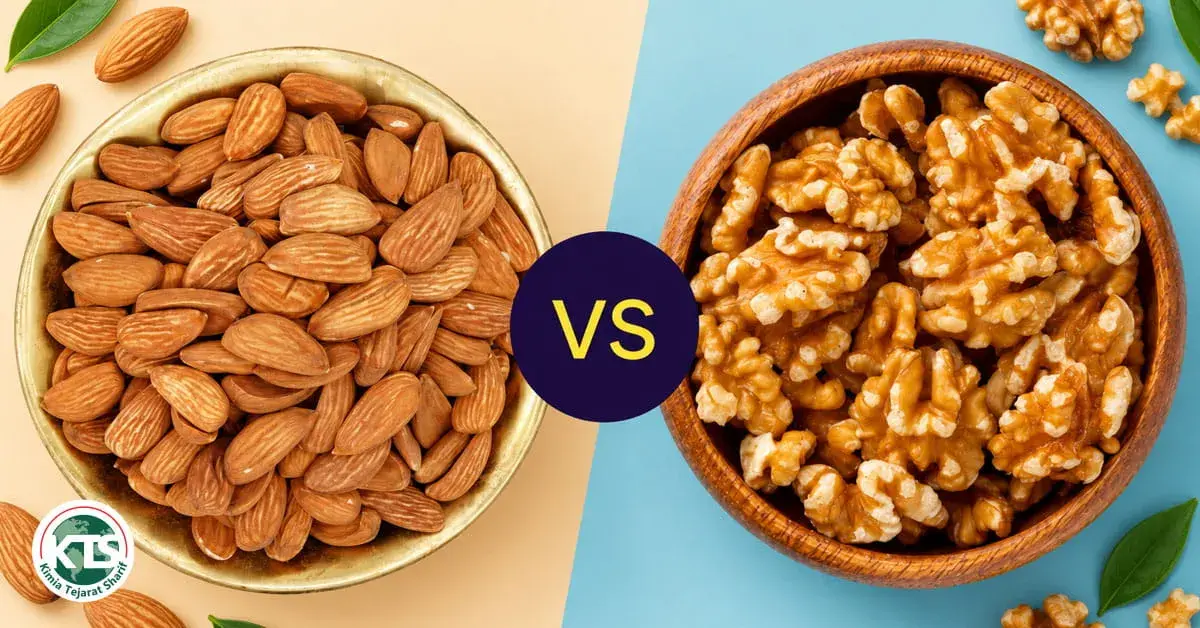
Walnut and Almond Benefits: How Do They Differ?
Both nuts provide unsaturated fats, fibre and essential nutrients, but their individual strengths differ.
Benefits of Almonds
Almonds provide vitamin E, magnesium, fibre and plant based protein. Vitamin E acts as an antioxidant, while magnesium contributes to normal muscle and nerve function. Their potential dietary advantages include:
- Protein and fibre: Contribute to daily nutrient intake and help make snacks more satisfying.
- Vitamin E: Supports normal cellular function and helps protect cells from oxidative damage.
- Dietary versatility: Can be eaten plain or added to breakfast, smoothies and meals.
- Unsaturated fats: Fit into eating patterns designed to support cardiovascular health.
Find out more about: Different Types of Almonds
Benefits of Walnuts
Walnuts are especially notable for their ALA omega 3 content. They also contain polyphenols and other plant compounds that have been studied for their potential health effects. Their nutritional advantages include:
- Omega 3 fatty acids: Provide a valuable plant based source of ALA.
- Heart conscious nutrition: Supply unsaturated fats that can form part of a balanced diet.
- Dietary variety: Offer a different nutritional profile from almonds.
- Versatility: Work well in salads, breakfast bowls, baked goods and savoury dishes.
Understanding Walnut and almond benefits helps explain why neither nut is the best choice in every situation. Almonds stand out for protein and vitamin E, while walnuts are particularly valuable for plant based omega 3 intake.
Walnuts vs Almonds for Heart Health
Both almonds and walnuts can be included in a heart conscious diet. Their benefits come from different combinations of unsaturated fats, fibre and other naturally occurring compounds.
When considering walnuts vs almonds for heart health, walnuts have a distinctive advantage because they contain substantially more ALA omega-3 fatty acids. Research suggests that walnuts may help improve certain cardiovascular risk factors, including blood lipid levels. Almonds provide another useful combination of nutrients. Their unsaturated fats, fibre and vitamin E make them a practical addition to a balanced eating pattern.
The comparison of walnuts vs almonds for heart health does not mean that either nut can independently prevent or treat heart disease. Overall dietary patterns, physical activity and other health factors remain important. For everyday eating, choose plain, unsalted nuts where possible and consider using them instead of less nutritious snacks.
Walnuts vs Almonds Calories: Which Is Better for Snacking?
Both nuts are energy dense because they contain substantial amounts of fat, much of which is unsaturated. This does not make them unhealthy, but it does make portion size important. When comparing walnuts vs almonds calories, a 28–30 g serving of almonds typically provides around 164–170 calories, while a similar serving of walnuts provides approximately 183–185 calories.
The difference is relatively small. Your best option depends on your nutritional needs, preferences and overall calorie intake. For a practical approach, measure out a serving instead of eating directly from a large packet. Both nuts can be enjoyed between meals, alongside fruit or as part of breakfast.
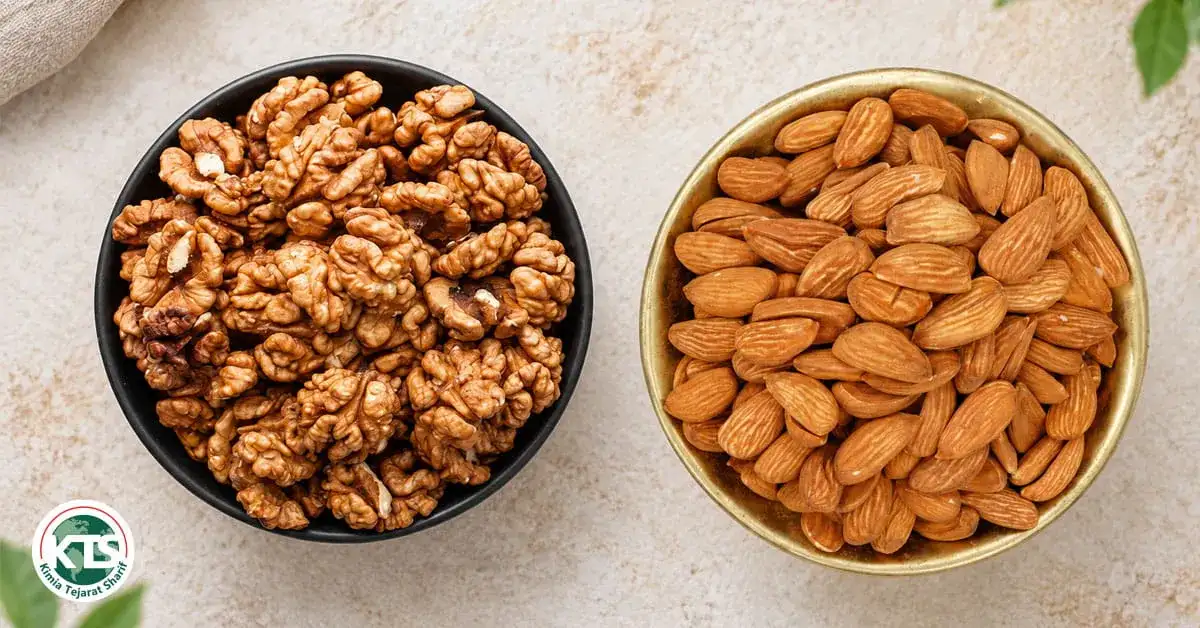
Almonds vs Walnuts for Weight Loss
Although nuts are relatively high in calories, their nutritional value makes them a useful addition to a balanced weight management diet. Almonds and walnuts contain healthy fats, along with protein and other nutrients that can help promote satiety and make between-meal snacking more satisfying.
When comparing almonds vs walnuts for weight loss, almonds offer a slight advantage in protein and fibre per serving. These nutrients can help you feel fuller for longer, potentially making it easier to manage hunger throughout the day. However, the overall impact depends on your eating habits, portion sizes and total daily calorie intake.
Walnuts can be equally suitable for a weight conscious diet when consumed in moderation. Their unsaturated fats and rich nutritional profile make them a worthwhile alternative to highly processed snacks. Ultimately, neither nut directly causes weight loss. Both can support your goals when incorporated into a balanced diet, consumed in appropriate portions and used to replace less nutritious, calorie dense snacks.
Find out more about: Best Dry Fruits for Women
Which Is Healthier: Almonds or Walnuts?
Ultimately, which is healthier almonds or walnuts depends on your nutritional priorities.
- For protein and vitamin E: Almonds generally have the advantage.
- For plant based omega-3: Walnuts are the stronger choice.
- For heart conscious eating: Both can contribute to a balanced dietary pattern.
- For weight management: Either can be suitable when eaten in moderate portions.
- For nutritional variety: Including both can provide a broader range of nutrients.
The broader comparison of walnuts vs almonds nutrition shows that each nut has its own strengths. Rather than choosing a single winner, consider your dietary goals and include a variety of nutrient rich foods.
Choosing Quality Almonds for Your Daily Diet
Nutritional value is only one consideration when choosing almonds. Freshness, flavour, texture, appropriate storage and product quality all contribute to the overall eating experience.
For those who appreciate almonds with a distinctive elongated shape, Mamra almonds are worth exploring. They are often valued for their characteristic flavour and crisp texture. For the best eating experience, our recommendation is Mamra almonds, which are known for being sweeter and crunchier than many other almond varieties. Actual taste and texture can vary according to grade, freshness and storage conditions.
KTS Trading offers a range of Mamra almond grades for buyers interested in different kernel sizes and product options. Explore our Mamra Almond collection to compare the available products. For product information, current pricing and wholesale enquiries, contact KTS Trading through the WhatsApp contact options on our website.
Buy Premium Almonds and Pistachios from KTS Trading
Looking for high quality almonds and pistachios for personal consumption or wholesale purchasing? KTS Trading is here to help you explore our available products and find options that suit your needs. Whether you want to purchase premium Mamra almonds and pistachios or enquire about current prices, stock availability and product specifications, our team is ready to assist. Message us on WhatsApp for the latest pricing, availability details and answers to any questions you may have. We look forward to helping you find the right products for your needs.
Sources
FAQs
1. Are walnuts or almonds better for heart health?
Both can support a heart conscious eating pattern. Walnuts provide more ALA omega 3, while almonds supply fibre, vitamin E and unsaturated fats.
2. Which has fewer calories?
Almonds generally contain slightly fewer calories per equal weight serving, although the difference is small.
3. Can I eat almonds and walnuts every day?
Most people can enjoy both regularly in moderate portions, provided they have no relevant allergies or dietary restrictions.
4. Are Mamra almonds a good option?
Mamra almonds are appreciated for their distinctive shape, characteristic flavour and crisp texture. Choose products based on freshness, storage conditions and quality specifications.
5. Is it better to eat walnuts or almonds?
Both are nutritious. Almonds provide more protein and vitamin E, while walnuts are richer in plant based omega 3 fatty acids.
6. What if I eat 20 walnuts a day?
Twenty whole walnut kernels can provide roughly 500–550 calories. This may be more than needed for a daily snack, so consider your overall calorie intake.
7. How much protein is in 10 almonds and 10 walnuts?
Approximately 6–7 g of protein, assuming 10 whole walnut kernels and 10 almonds.
8. Are almonds higher in protein than walnuts?
Yes. Almonds provide approximately 6 g of protein per 28–30 g serving, compared with around 4.3 g in walnuts.
9. Why eat 3 almonds early morning?
Three almonds provide healthy fats, vitamin E and a small amount of protein. However, you can enjoy them at any time of day.
10. How much protein is in 7 almonds and 2 walnuts?
Approximately 2–3 g, depending on the size of the nuts.
11. Can I eat 20 almonds per day?
Yes. For most people without nut allergies, 20 almonds can be part of a balanced diet and provide protein, fibre and healthy fats.
12. Which nut has the highest protein?
Peanuts are among the highest protein commonly consumed nuts, providing around 7 g per 28 g serving. Botanically, peanuts are legumes.
13. How many almonds do I need to get 30 g of protein?
You would need approximately 140–150 g of almonds, or roughly 110–125 almonds, depending on their size. Other protein sources are generally more practical for meeting this target..
14. What are the top 3 healthiest nuts to eat every day?
Almonds, walnuts and pistachios are excellent choices. Each provides a different combination of healthy fats, protein, fibre and micronutrients.