
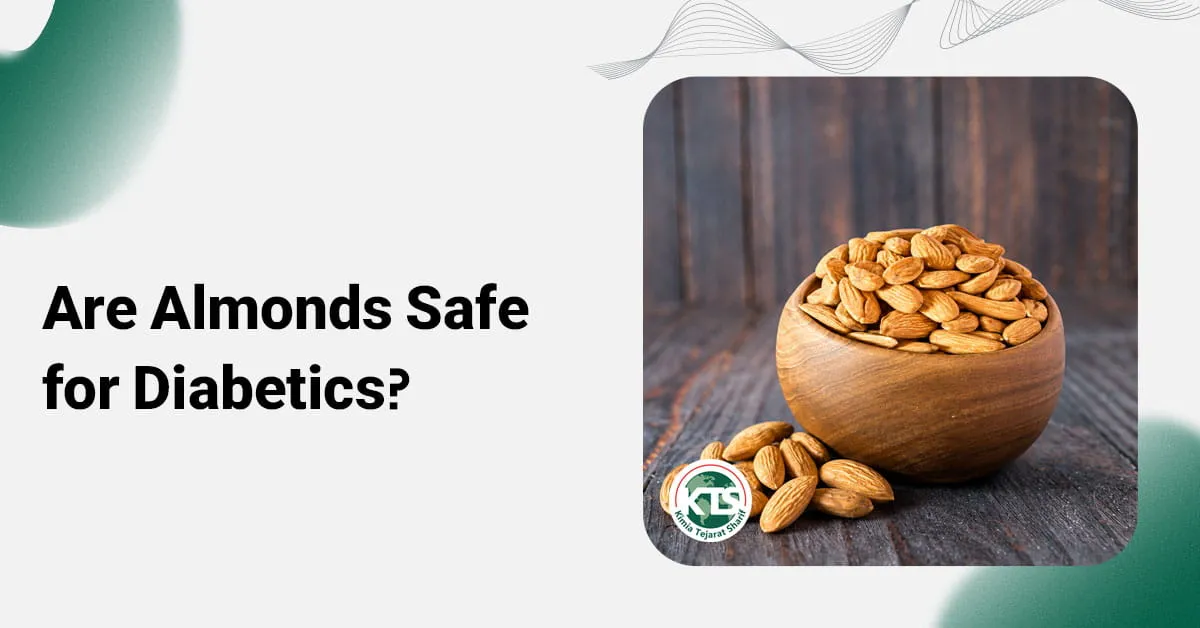
For many people with diabetes, Almonds for Diabetes can be included in a balanced eating pattern because almonds provide fiber, protein, healthy fats, magnesium, and relatively little carbohydrate. These characteristics make plain almonds a practical snack when blood sugar management is part of everyday dietary planning. However, almonds are not a treatment for diabetes, and portion size remains important.
The connection between Almonds and blood sugar has received attention in nutritional research because almonds contain protein, fiber, and unsaturated fats while being relatively low in carbohydrates. Some studies have reported improvements in post meal glucose responses, while broader reviews have produced mixed findings. For Indian consumers, this makes almonds a useful food to consider within an overall balanced diet rather than as a standalone solution for glucose management.
Almonds and Blood Sugar
Research into Almonds Benefits Blood Sugar has produced different results depending on the study design, participants, serving size, and duration. Some clinical research has reported beneficial changes in post meal glucose, while systematic reviews have not consistently found significant improvements in fasting glucose or HbA1c.
A study involving Asian Indian adults with type 2 diabetes in New Delhi is particularly relevant to the Indian market. Over 24 weeks, participants who incorporated almonds into a balanced diet showed improvements in several health measures, including HbA1c. However, the findings should not be interpreted as evidence that almonds alone can treat diabetes.
Overall, Almonds and blood sugar should be considered within the context of a person’s complete eating pattern. Individual responses can vary, so people with diabetes should continue following their healthcare professional’s recommendations regarding medication, food choices, and glucose monitoring.
For consumers who want to try adding almonds to their routine, quality and freshness make a noticeable difference in taste and texture. Those interested in a premium option can explore our range of Mamra almonds, available in different grades to suit both everyday snacking and bulk requirements.
Almond Benefits for Diabetes
The potential Almond Benefits for Diabetes are largely related to the nutritional composition of almonds. They provide dietary fiber, protein, magnesium, vitamin E, and predominantly unsaturated fats. Including a moderate portion of almonds can also provide a more filling alternative to highly processed snacks.
Another reason almonds can fit into a balanced eating pattern is their versatility. They can be eaten on their own or added to foods such as unsweetened yogurt, oats, vegetables, and salads. Plain almonds without added sugar make portion and carbohydrate management easier.
The nutritional value of almonds should still be considered alongside the rest of the meal. They can contribute useful nutrients to a balanced diet, but they should not replace prescribed medication or individualized dietary advice.
Can Almonds Help Manage Blood Sugar?
The possible relationship between Almonds Benefits Blood Sugar and post meal glucose is one reason almonds are frequently discussed in diabetes nutrition. Some controlled studies have found that consuming almonds with or around meals may reduce the rise in blood glucose compared with certain higher carbohydrate alternatives.
However, not every study has produced the same result. Research reviews have reported mixed effects on measures such as fasting glucose and HbA1c, which means the evidence does not support describing almonds as a treatment for diabetes.
For this reason, Almond Benefits for Diabetes should be viewed in nutritional terms rather than as a medical claim. Almonds can provide protein, fiber, healthy fats, and minerals while fitting into a variety of meal plans when consumed in an appropriate amount.
Almonds Diabetic Diet
An Almonds for Diabetes eating plan does not require complicated preparation. Plain, unsweetened almonds can be used as a measured snack or added to meals such as oatmeal, unsweetened yogurt, salads, or vegetable based dishes. A commonly referenced serving is around 1 ounce, or approximately 23 almonds.
For Indian consumers, almonds can also be incorporated into familiar breakfast and snack routines without adding unnecessary sugar. Choosing plain or lightly processed products can make it easier to control the ingredients consumed alongside the almonds.
When planning an Almonds diabetic diet, it is important to look at the complete meal rather than one ingredient. The amount of carbohydrates, protein, fat, total calories, and other foods consumed during the day all contribute to the overall dietary pattern.
Also read: Other Health Benefits of Mamra Almonds
Soaked Almonds for Diabetes
Soaked almonds for diabetes are particularly popular in India, where soaking almonds overnight and eating them in the morning is a common dietary practice. Soaking changes the texture of the almonds and may make them easier for some people to eat, but there is limited evidence that soaking itself provides a specific blood sugar benefit.
Portion size remains just as important with soaked almonds as it is with raw ones. Soaking does not remove the calories or carbohydrates naturally present in almonds, so eating large quantities does not automatically make them more suitable for diabetes management.
Storage and food safety are also worth keeping in mind. Because soaking introduces moisture, the almonds should be handled carefully and stored appropriately rather than being left at room temperature for extended periods.
How Many Almonds Can Diabetes Patients Eat?
For almonds for diabetes patients, a commonly used serving is approximately 1 ounce, equivalent to around 23 almonds. However, the appropriate amount can vary according to individual calorie requirements, physical activity, medication, and the rest of the person’s diet.
People choosing almonds should also consider how they are prepared. Plain almonds are different from chocolate coated, candied, honey coated, or heavily sweetened products, which may contain additional sugar and carbohydrates.
An Almonds diabetic diet works best when moderation guides portion size rather than simply increasing the number of almonds consumed. A measured serving can make almonds easier to incorporate into a balanced meal plan.
Are Almonds Good for Diabetes?
So, are almonds good for diabetes? For many people, plain almonds can be included in a balanced diet because they provide protein, fiber, healthy fats, and several micronutrients while containing relatively little carbohydrate compared with many sweet snacks.
The answer can still differ from person to person. People with diabetes may have different calorie requirements, medications, allergies, kidney related dietary considerations, or other nutritional needs that affect which foods and portions are appropriate.
This is best answered by looking at the overall diet rather than one individual food. Almonds can be a nutritious option for many people, but they should not be considered a replacement for diabetes treatment or professional dietary guidance.
Choosing Almonds for Diabetes
When selecting almonds as part of a diet plan for almonds for diabetes patients, consumers can focus on plain products without unnecessary added sugar, as well as freshness, storage conditions, processing, and portion size. The choice of almond variety can also matter for people who are interested in differences in taste, texture, appearance, and market positioning.
India has a strong market for almonds and other dry fruits, creating demand among both consumers and commercial buyers. For retailers, importers, and wholesalers, factors such as almond variety, grade, packaging, quantity, and sourcing can be important when selecting products.
For people interested in premium varieties, Mamra almonds are known for their distinctive taste and crisp texture. While their premium positioning should be based on product characteristics rather than unsupported medical claims, they can be considered as one option for consumers seeking a different almond variety.
Why Consider Mamra Almonds?
Mamra almonds are a premium almond variety valued for their naturally sweet taste, crisp texture, and distinctive almond flavour. These characteristics make them suitable for consumers who want a premium nut option as part of their everyday diet. For anyone comparing Almonds for Diabetes across varieties, Mamra is simply one option among several worth comparing, not a separate product with its own medical claims.
There is currently no strong clinical evidence showing that Mamra almonds specifically provide greater diabetes related benefits than other almond varieties. Their nutritional role should therefore be discussed based on the general properties of almonds rather than making variety specific medical claims. Some households also prepare soaked almonds for diabetes conscious routines using Mamra specifically for its texture and taste, though the same portion size principles still apply.
For Indian consumers and commercial buyers interested in premium almonds, KTS Trading provides Mamra almond options for wholesale and international sourcing. Buyers can discuss available grades, quantities, packaging, and market requirements directly with the KTS Trading team.
Mamra Almonds for the Indian Market
The popularity of premium dry fruits in India makes product variety an important consideration for both consumers and businesses. Mamra almonds can be used as a snack or incorporated into meals in much the same way as other plain almond varieties. Buyers researching Almonds Benefits Blood Sugar across different varieties often ask whether Mamra performs differently from standard almonds; based on current evidence, it does not.
The same basic dietary principles apply when choosing Mamra almonds: keep portions appropriate, avoid unnecessary added sugars, and consider the almonds as one component of the overall diet.
For buyers interested in Almond Benefits for Diabetes, it is also important to distinguish between evidence about almonds in general and claims about a specific variety. Mamra almonds can be selected for their taste, texture, grade, and quality rather than assuming that their variety alone changes their effect on blood glucose.
Almonds, Diabetes and Everyday Food Choices
The way almonds are consumed can be just as important as the variety selected. Plain almonds can be combined with other nutrient dense foods, while products containing added sugar, sweet coatings, or highly processed ingredients may not provide the same dietary profile.
For Indian households, simple options such as adding a measured serving of almonds to breakfast or using them as a snack can make them easier to include in everyday meals. The same principle applies to people who prefer soaked almonds for diabetes friendly routines as part of their morning habit.
From a commercial perspective, KTS Trading supplies Mamra almonds for buyers looking for premium almond products for wholesale and international markets. Specifications can be discussed according to the buyer’s intended application and market requirements.
Conclusion: Are Almonds Safe for Diabetics?
For many people, Almonds for Diabetes can be part of a balanced diet when consumed in an appropriate portion. Their fiber, protein, healthy fats, and micronutrients make them a useful food option, although the scientific evidence regarding their direct effect on blood glucose and HbA1c remains mixed.
When considering Almonds and blood sugar, it is important to remember that individual responses can differ. Almonds may be included in a diabetes conscious eating pattern, but they should not replace prescribed medication, glucose monitoring, or advice from a qualified healthcare professional.
Ultimately, whether are almonds good for diabetes depends on the individual’s overall dietary needs and health situation. For consumers looking for a premium almond variety, Mamra almonds offer a naturally sweet taste and crisp texture, while KTS Trading provides options for wholesale and international buyers.
Frequently Asked Questions
1. How many almonds can a diabetic eat per day?
A common serving is around 1 ounce, or approximately 23 almonds. The right amount can vary depending on a person’s calorie needs, medication, and overall diet, so portion size should be considered as part of the complete meal plan.
2. Can you eat almonds if you have type 2 diabetes?
Yes. People with type 2 diabetes can generally include plain almonds in a balanced diet. Almonds provide fiber, protein, healthy fats, and magnesium while being relatively low in carbohydrates. Choose plain almonds without added sugar and keep the portion moderate.
3. Which is better for a diabetic, walnuts or almonds?
Both walnuts and almonds can be nutritious choices for people with diabetes. Almonds provide fiber, protein, magnesium, and healthy fats, while walnuts are particularly rich in omega-3 fatty acids. Rather than choosing one as universally better, the more suitable option depends on the individual’s overall diet and nutritional needs.
4. Which dry fruit is good for diabetes?
Nuts such as almonds and walnuts can be suitable choices when eaten in moderate portions. For dried fruits such as raisins or dates, portion size requires more attention because they contain concentrated natural sugars. Plain, unsweetened nuts are generally an easier option to include in a diabetes conscious diet.
5. Are almonds safe for diabetics every day?
Yes for most people, if the portion stays around 20–30 grams and the kernels are unsalted. Daily Almonds for Diabetes should replace another snack, not sit on top of it. Confirm with your doctor if you have kidney disease or a nut allergy.
6. Are almonds good for diabetes if I soak them?
Are almonds good for diabetes in both soaked and raw form. Soaked almonds for diabetes are easier to digest and fit Indian habit; they are not proven to beat raw almonds on fasting glucose. Use
Source
One thought on “Are Almonds Safe for Diabetics?”