
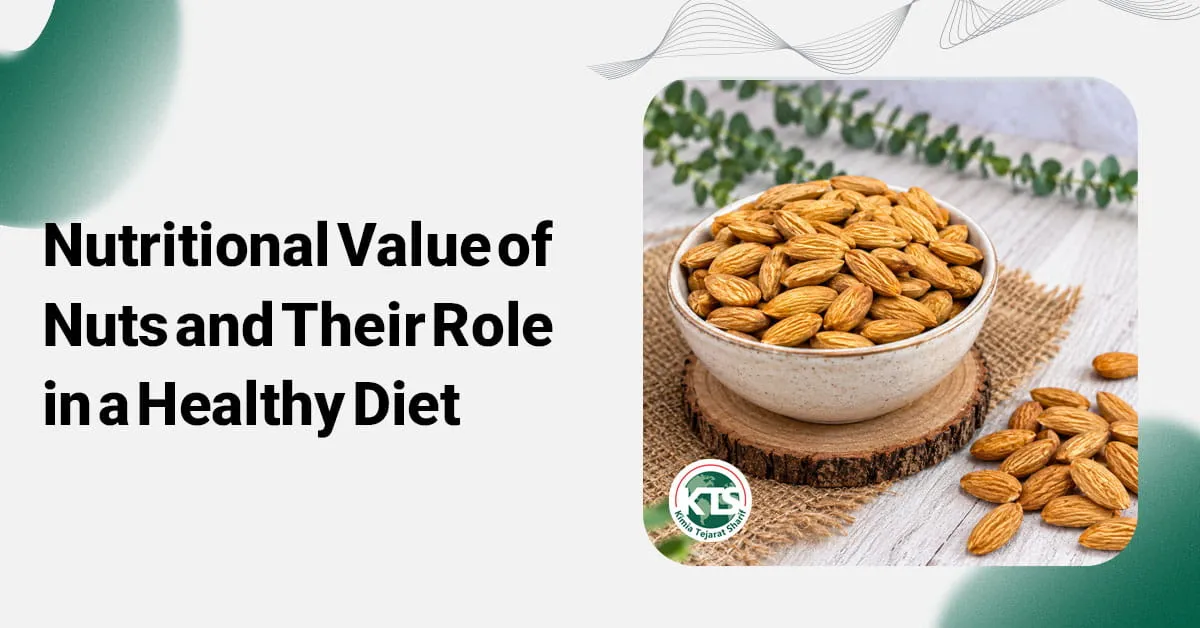
Nuts are among the most convenient nutrient-rich foods to include in a balanced diet. Almonds, pistachios, walnuts, and cashews provide a combination of protein, healthy fats, fibre, vitamins, and minerals that support normal body functions. Understanding the Nutritional Value of Nuts helps you make better choices for everyday meals, snacks, and family nutrition without relying on complicated diets or expensive supplements.
For Indian households, nuts and dry fruits are already familiar ingredients in breakfast dishes, traditional sweets, milk-based drinks, and everyday snacks. The best approach is to choose a variety that suits your preferences and nutritional needs. If you enjoy almonds, explore KTS Trading’s Mamra Almond collection, known for its distinctive elongated shape, crisp texture, and naturally sweet flavour. Mamra almonds are a premium option for those who appreciate an enjoyable taste alongside nutritional value.
What Is the Nutritional Value of Nuts?
The Nutritional Value of Nuts comes from their combination of unsaturated fats, plant-based protein, dietary fibre, and essential micronutrients. Although the exact composition varies by variety, most nuts provide nutrients that can complement a balanced eating pattern. Here are some important nutrients found in commonly consumed nuts:
- Protein: Contributes to the growth and maintenance of body tissues.
- Healthy fats: Unsaturated fats can support heart health when they replace foods high in saturated fats.
- Fibre: Supports normal digestion and can help you feel satisfied after eating.
- Vitamin E: An antioxidant found in particularly useful amounts in almonds.
- Magnesium: Supports normal muscle and nerve function.
- Other minerals: Depending on the variety, nuts provide copper, phosphorus, potassium, and other essential nutrients.
Understanding these nuts nutrition facts can help you choose the right varieties for your daily diet. Although nuts are rich in nutrients, they are also energy-dense, so portion size is important. For most adults, a serving of around 28–30 grams is a convenient way to enjoy their nutritional benefits as part of a balanced diet.
The Nutritional Value of Nuts also depends on how they are prepared. Plain or lightly roasted nuts are generally a better everyday choice than varieties coated with added sugar or excessive salt. Choosing minimally processed options allows you to enjoy their natural flavour while keeping your overall intake balanced.
Nutritional Benefits of Nuts
The nutritional benefits of nuts extend beyond their protein and fat content. Including a variety of nuts in a balanced diet can contribute to overall nutritional quality.
1. Support Heart Health
Almonds, walnuts, and pistachios contain unsaturated fats. Replacing some foods rich in saturated fats with nuts may help improve blood cholesterol levels and support cardiovascular health.
Research on regular nut consumption has also associated it with better cardiovascular outcomes. Nuts are most useful when they replace less nutritious snacks rather than simply adding extra calories to an already sufficient diet.
2. Provide Protein for Everyday Nutrition
The protein in nuts helps the body maintain and repair tissues. Almonds, pistachios, and cashews can contribute plant based protein to meals and snacks. Although nuts are nutritious, they do not need to be your only protein source. Combining them with lentils, beans, dairy products, eggs, or other suitable foods can help provide a broader range of nutrients.
3. Supply Fibre and Essential Micronutrients
Many nuts provide dietary fibre, while different varieties contribute vitamins and minerals in different proportions. Almonds are known for their vitamin E and magnesium content, whereas walnuts provide the plant based omega-3 fatty acid ALA.
These differences explain why variety is valuable when considering the nutritional benefits of nuts. No single variety provides every nutrient in the amounts your body needs.
Find out more about: Best Ways to Eat Almonds Daily for More Energy
Nuts Nutrition Facts: Comparing Popular Varieties
Different nuts have different nutritional profiles. The following comparison highlights some of their key characteristics.
|
Nut variety |
Notable nutrients |
Common uses |
|
Almonds |
Vitamin E, fibre, protein, magnesium |
Breakfasts, snacks, smoothies |
|
Pistachios |
Protein, vitamin B6, fibre |
Snacks, salads, Indian dishes |
|
Walnuts |
Plant-based omega-3 ALA, fibre |
Breakfast bowls, salads, baking |
|
Cashews |
Copper, magnesium, protein |
Curries, snacks, sauces |
|
Peanuts |
Protein, unsaturated fats, B vitamins |
Chutneys, snacks, spreads |
These nuts nutrition facts provide a useful starting point when comparing varieties. Actual nutrient amounts depend on the serving size, processing method, and product.
Protein in Nuts
The protein in nuts varies by variety, but almonds, peanuts, pistachios, and cashews can all contribute to daily protein intake. For example, a typical 28 gram serving of almonds provides approximately 6 grams of protein, while similar servings of pistachios and cashews generally provide around 5–6 grams. Exact amounts vary with the product and preparation.
In India, nuts can be added to familiar foods such as poha, oats, yoghurt, and homemade snacks. Ground almonds can also be incorporated into suitable recipes to add flavour and nutrients. When evaluating the protein in nuts, remember that protein is only one part of their nutritional profile. Nuts also supply fats, fibre, and micronutrients, making them useful additions to a varied diet.
Mixed Nuts Nutritional Value: Is a Combination Better?
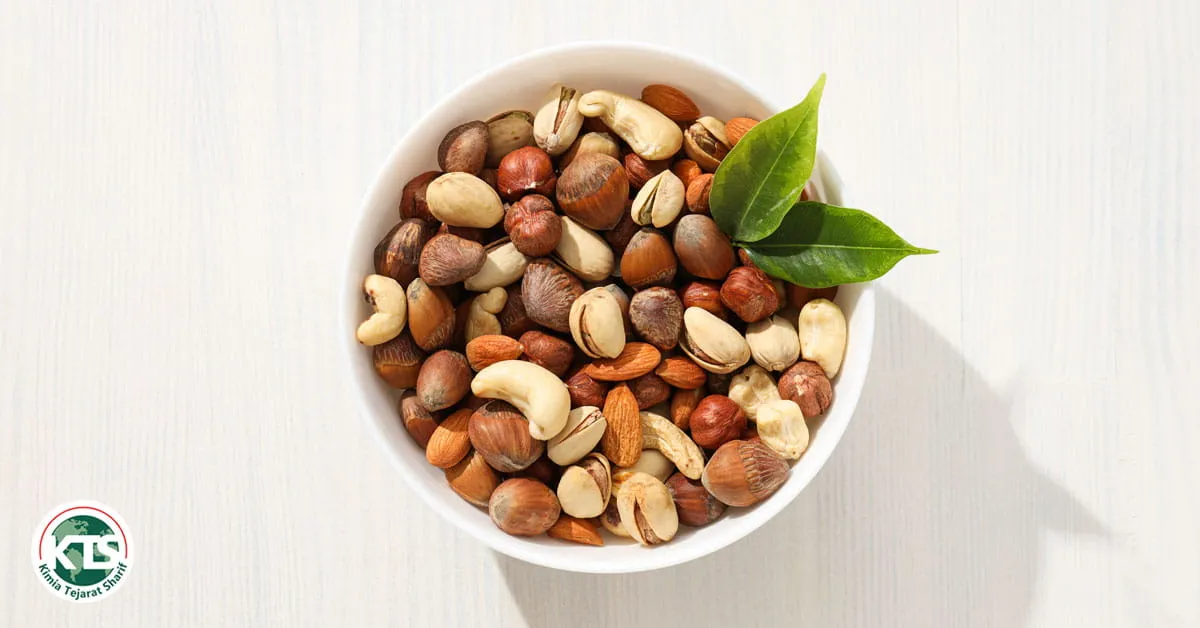
A mixture of almonds, pistachios, walnuts, and cashews can provide a wider range of nutrients and flavours than relying on just one variety. Each nut contributes a slightly different nutritional profile, making mixed nuts a convenient snack.
The mixed nuts nutritional value depends on the proportions of each nut and whether the mixture contains added salt, sugar, oil, or coatings. A plain mixture generally makes a practical everyday option.
For a simple Indian style snack, combine a small portion of almonds, pistachios, and walnuts. You can also add a little roasted chana for additional variety. Keep the portion moderate and use the mixture as an alternative to less nutritious packaged snacks. Understanding the mixed nuts nutritional value helps you choose a combination that suits your preferences without assuming that more nuts automatically means greater health benefits.
Nutritional Value of Dry Fruits in the Indian Diet
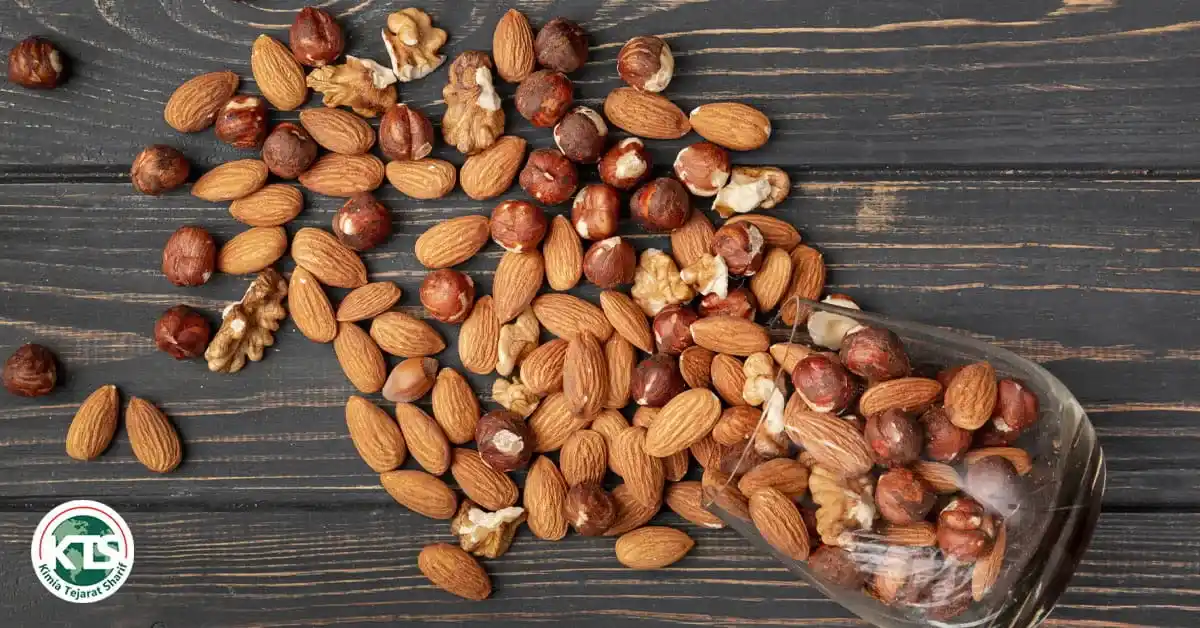
The nutritional value of dry fruits depends on whether you mean nuts, such as almonds and pistachios, or dried fruits, such as dates, raisins, and figs. Although the terms are sometimes used interchangeably in India, these foods have different nutritional profiles.
Nuts generally provide more protein and unsaturated fats, while dried fruits are concentrated sources of carbohydrates and naturally occurring sugars. Both can contribute to a varied diet when consumed in suitable portions.
In Indian households, almonds and pistachios are commonly used in breakfasts, snacks, and traditional preparations. Dates and raisins can add natural sweetness to porridge or homemade recipes.
When comparing the nutritional value of dry fruits, look at the type of food, serving size, added ingredients, and your overall dietary needs. Dried fruits can be nutritious, but their concentrated sugars make portion awareness important. The nutritional value of dry fruits is best understood as part of the wider diet rather than as a reason to replace fresh fruit, vegetables, whole grains, or other essential food groups.
Find out more about: Healthy Snack Ideas Using Almonds and Mixed Nuts
Why Choose Iranian Mamra Almonds?
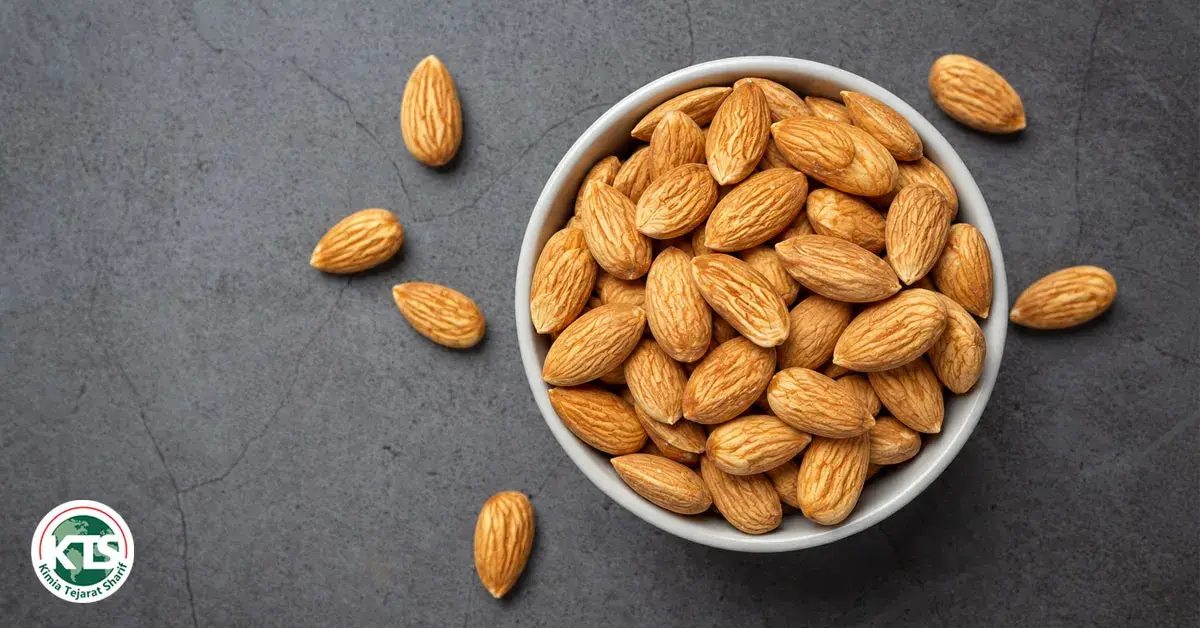
Not all almonds offer the same flavour and texture. Iranian Mamra almonds are appreciated for their naturally sweet taste, crisp bite, and distinctive elongated appearance. For people who prefer a sweeter almond with little to no noticeable bitterness, Mamra almonds are an appealing variety to explore.
Their flavour makes them suitable for enjoying on their own or adding to homemade snack mixes, breakfast bowls, and other recipes. They can also be used in ground form when a finer texture is preferred.
From a nutritional perspective, Mamra almonds provide the general nutrients associated with almonds, including protein, unsaturated fats, fibre, vitamin E, and magnesium. Their premium appeal comes from their distinctive eating experience and appearance, rather than proof that they are nutritionally superior to every other almond variety.
KTS Trading offers Iranian Mamra almonds for customers interested in this distinctive variety. Visit our Mamra Almond product category to explore the range.
If you would like information about availability, product specifications, or commercial quantities, contact the KTS Trading team through WhatsApp. We can discuss your requirements and help you explore suitable purchasing options.
How to Include Nuts in a Balanced Diet
You do not need complicated recipes to enjoy the Nutritional Value of Nuts. A few simple additions can make everyday meals more varied:
- Add chopped or ground almonds to oats or porridge.
- Sprinkle pistachios over suitable savoury dishes.
- Mix walnuts into salads or breakfast bowls.
- Enjoy a small portion of plain nuts instead of a heavily processed snack.
- Use dates or raisins in moderation to add sweetness to homemade recipes.
These ideas make it easier to benefit from the nutritional benefits of nuts while keeping meals varied. Choose products that suit your dietary needs, store them correctly, and avoid nuts that show signs of spoilage.
Conclusion
Understanding the Nutritional Value of Nuts helps you make informed choices about the foods you include in your daily diet. Almonds, pistachios, walnuts, and cashews provide different combinations of protein, unsaturated fats, fibre, vitamins, and minerals, while dried fruits offer another way to add variety and natural sweetness.
The most practical approach is to choose good quality products, enjoy suitable portions, and combine nuts with other nutritious foods. The nutritional benefits of nuts are most useful when they complement an overall balanced eating pattern.
For customers who appreciate premium almonds, Iranian Mamra almonds offer a distinctive combination of naturally sweet flavour, crisp texture, and elongated appearance. Explore the KTS Trading Mamra Almond collection or contact us through WhatsApp if you have questions or would like to discuss an order.
References
FAQs
1. What is the nutritional value of nuts?
The Nutritional Value of Nuts includes protein, unsaturated fats, fibre, vitamins, and minerals. The exact amounts vary by variety and serving size.
2. Which nuts are healthiest to eat regularly?
Almonds, pistachios, and walnuts are useful options because they provide different combinations of healthy fats, protein, fibre, and micronutrients. Variety matters more than choosing a single best nut.
3. Which nuts contain the most protein?
Peanuts, almonds, pistachios, and cashews all provide protein. The amount varies by serving size, so check reliable nutrition information when comparing products.
4. Are mixed nuts a healthy snack?
Yes. Plain mixed nuts can provide a range of nutrients. The mixed nuts nutritional value depends on the ingredients, proportions, serving size, and any added salt or sugar.
5. Are dry fruits and nuts the same?
Not exactly. Nuts such as almonds and pistachios are generally richer in protein and unsaturated fats, while dried fruits such as dates and raisins provide more concentrated carbohydrates and natural sugars.
6. Where can I buy Iranian Mamra almonds?
You can explore the Mamra Almond collection at KTS Trading or contact our team through WhatsApp for product information and order enquiries.
7. What are the top 5 healthiest nuts?
Almonds, walnuts, pistachios, cashews, and hazelnuts are nutritious choices. Each offers a different combination of healthy fats, protein, fibre, vitamins, and minerals.
8. Which nuts should you not eat every day?
Most nuts are safe to eat regularly in moderate portions. However, avoid nuts you are allergic to, limit heavily salted or sugar-coated varieties, and avoid eating large amounts of Brazil nuts because they contain very high levels of selenium.
9. What are the main nutrients in nuts?
Nuts provide unsaturated fats, plant-based protein, fibre, vitamin E, magnesium, and other minerals. Their exact nutritional content varies by variety.
10. Which 7 nuts are the healthiest?
Almonds, walnuts, pistachios, cashews, hazelnuts, pecans, and Brazil nuts are nutrient-rich options. Each has its own nutritional strengths, so variety is beneficial.
11. What’s the most unhealthy nut?
No single nut is inherently the most unhealthy. Nuts coated with excessive sugar or salt are generally less suitable for regular consumption than plain varieties.
12. Which is the king of nuts?
Walnuts are commonly called the King of Nuts on some websites because of their nutritional value. However, this is an informal title, not a scientific classification.
13. Which nuts should you eat daily?
Almonds, walnuts, and pistachios are good options. A serving of approximately 28–30 grams of plain nuts can fit into a balanced diet for many adults.
14. What is the queen of all nuts?
Peanuts are sometimes called the Queen of Nuts on general knowledge websites. This is an informal nickname; botanically, peanuts are legumes rather than true tree nuts.