
Introduction
Almonds are among the most popular nuts in the world, but Mamra almonds hold a special place. Known for their unique taste, superior quality, and exceptional nutritional value, Mamra almonds are highly sought after in international markets, especially in India and the UAE. This article explores the key differences between Mamra almonds and other almond varieties.
Shape and Size
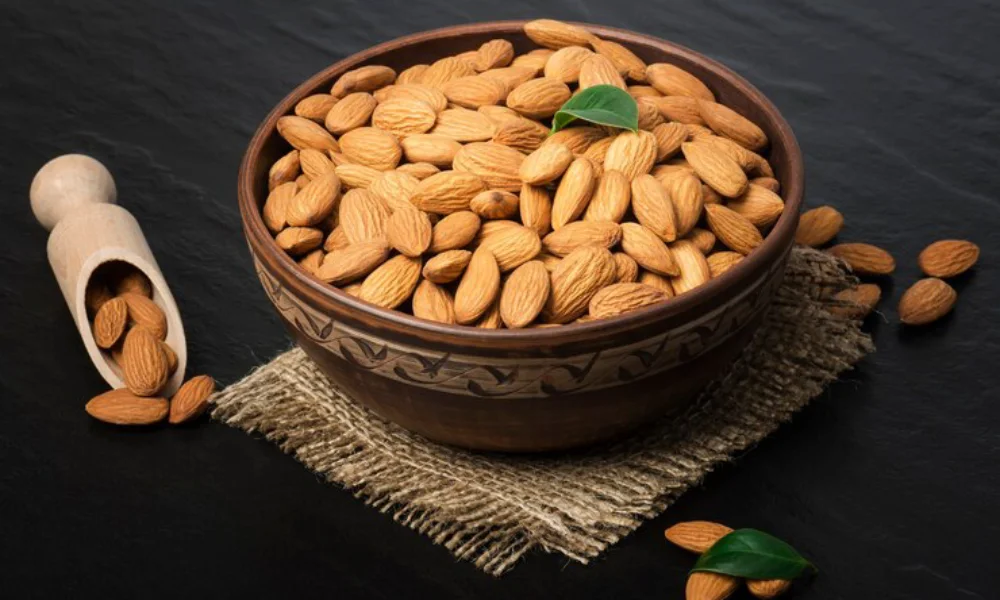
Mamra almonds are smaller and rounder than regular almonds and have a hard, durable shell. This feature preserves the almond’s natural flavor and ensures superior quality. Other almond varieties are often larger, elongated, and vary more in size and shape.
Taste and Nutritional Value
Mamra almonds have a rich taste, high natural oil content, and a creamy texture. They are packed with protein, fiber, vitamins, and essential minerals. Other almonds may have a milder taste and lower natural oil content.
Production and Harvesting
Mamra almonds are typically harvested by hand and often grown organically. The grading and packaging processes are meticulous to maintain product quality. In contrast, some other almond varieties are mechanically harvested with less controlled processing.
Market and Uses
Due to their premium quality and distinctive flavor, Mamra almonds are primarily used for export and international sales. Other almonds are generally used for domestic consumption, retail, and food industry applications.
Conclusion
With its unique shape, rich taste, high nutritional value, and precise processing, Mamra almonds stand out as a premium product among almond varieties. Understanding these differences helps buyers and exporters make informed decisions and appreciate the true value of this exceptional nut.